Building Routines for Children with ADHD
•Forgetful•Disorganized•Easily distracted•Struggling with transitions•Frequently losing track of tasks
By Jewel Centre for Autism ·

Introduction
Parents often describe children with ADHD as:
•Forgetful
•Disorganized
•Easily distracted
•Struggling with transitions
•Frequently losing track of tasks
Morning routines may become chaotic.
Homework may require repeated reminders.
Bedtime may feel unpredictable every day.
Many of these challenges are connected to executive functioning differences rather than laziness or lack of effort.
Structured routines help reduce cognitive demands and support successful participation.
Why Routines Matter
Routines create:
•Predictability
•Organization
•Reduced mental effort
•Better emotional regulation
•Improved independence
Children with ADHD often struggle with internal organization.
External structure helps compensate for these difficulties.
Executive Functioning and Routines
Routines reduce demands on:
•Working memory
•Planning
•Attention
•Organization
Children no longer need to remember every step independently.
Signs a Child May Benefit From More Structure
Children may:
•Forget daily tasks
•Become overwhelmed easily
•Lose items frequently
•Resist transitions
•Require repeated reminders
Practical Strategies for Building Routines
🟢 Use visual schedules
Pictures and checklists improve independence.
🔵 Keep routines predictable
Consistency reduces stress.
🟡 Break routines into smaller steps
Examples:
Morning routine:
1.Brush teeth
2.Get dressed
3.Eat breakfast
4.Pack school bag
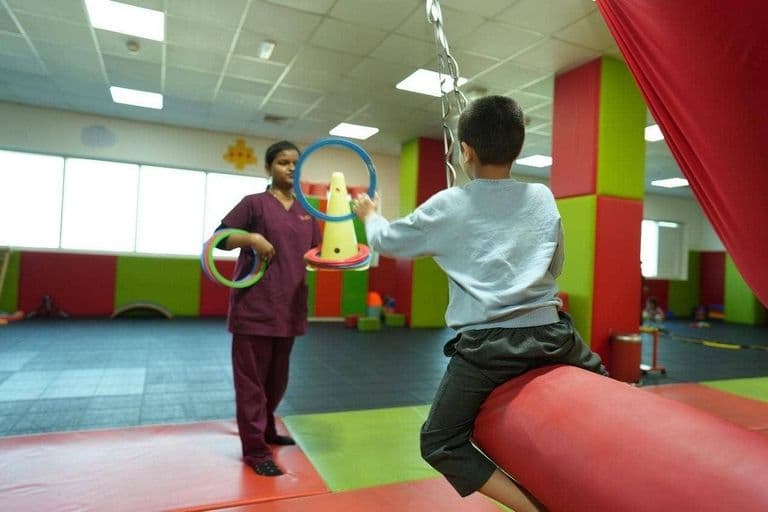
🔴 Include movement opportunities
Movement supports attention and regulation.
The Role of Occupational Therapy
Occupational therapists help children develop:
•Daily routines
•Organizational skills
•Self-regulation
•Independence
Final Thoughts
Routines do not limit children.
They create structure that allows children to participate more successfully and confidently.
Because predictability often creates freedom rather than restriction.