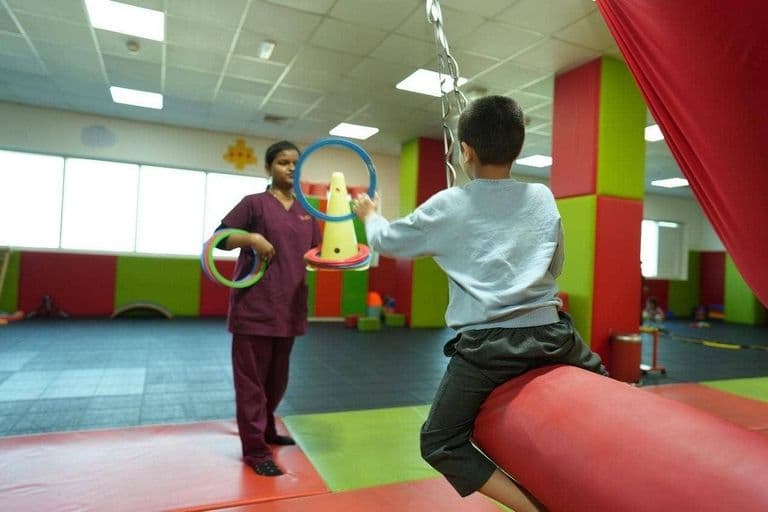
Classroom Accommodations That Truly Help ADHD Children
Sleep plays a vMany children with ADHD struggle in traditional classroom environments not because they lack intelligence or motivation, but because classroom expectations may not align with how their brains process information.ital role in a child's physical, emotional, and cognitive development.
By Jewel Centre for Autism ·
Introduction
Many children with ADHD struggle in traditional classroom environments not because they lack intelligence or motivation, but because classroom expectations may not align with how their brains process information.
Children may struggle with:
- Sustained attention
- Sitting for long periods
- Organization
- Transitions
- Task completion
Accommodations help create environments where children can participate more successfully.
Why Accommodations Matter
Accommodations do not provide unfair advantages.
They reduce barriers that interfere with participation and learning.
The goal is creating equal opportunities for success.
Helpful Classroom Supports
🟢 Movement opportunities
Examples:
- Movement breaks
- Standing workstations
- Classroom jobs
🔵 Visual supports
Examples:
- Schedules
- Checklists
- Written instructions
🟡 Reduced distractions
Examples:
- Strategic seating
- Organized environments
- Noise reduction supports
🔴 Breaking tasks into smaller steps
Smaller tasks reduce overwhelm.
🟣 Extra processing time
Children may need additional time for:
- Organization
- Transitions
- Completing work
The Role of Occupational Therapy
Occupational therapists help schools:
- Identify barriers
- Improve participation
- Support sensory regulation
- Develop classroom strategies
Final Thoughts
Children with ADHD often succeed when environments support how they learn best.
Accommodations do not lower expectations.
They create pathways toward meaningful participation and success.