Finding the Sweet Spot: Choosing the Right Extracurriculars for Your Child
As parents, it is easy to fall into the trap of over-scheduling. We want to give our kids every opportunity, but loading them up with too many extracurricular activities can quickly lead to exhaustion rather than enrichment.
By Jewel Centre for Autism ·

As parents, it is easy to fall into the trap of over-scheduling. We want to give our kids every opportunity, but loading them up with too many extracurricular activities can quickly lead to exhaustion rather than enrichment. The reality is that every child will naturally gravitate toward just one or two core interests. You don't need to do it all!
Here is how you can find the right balance for your child's activities and overall health.
1. Observe and Identify Their Interests
You are the person who knows your child best because you are with them 24/7. Use your daily routines as an observation lab to see what naturally sparks their joy. Pay attention to their behavior:
- At the park: Do they love climbing, organizing group games, or quietly collecting leaves?
- At social gatherings: Are they the center of attention putting on a performance, or are they focused on a puzzle in the corner?
- At play school or normal school: What do their teachers say they gravitate toward during free time?
By paying attention to these moments, you will easily be able to identify their true interests.
2. Match Activities to Their Aptitude
Once you have identified what captures their attention, choose extracurricular activities that align with their natural aptitude.
- Prioritize quality over quantity. Doing one or two things they genuinely enjoy is much better than juggling five things they don't.
- Treat it like academics. Nurturing a child's natural aptitude through the right extracurriculars is just as important as their schoolwork.
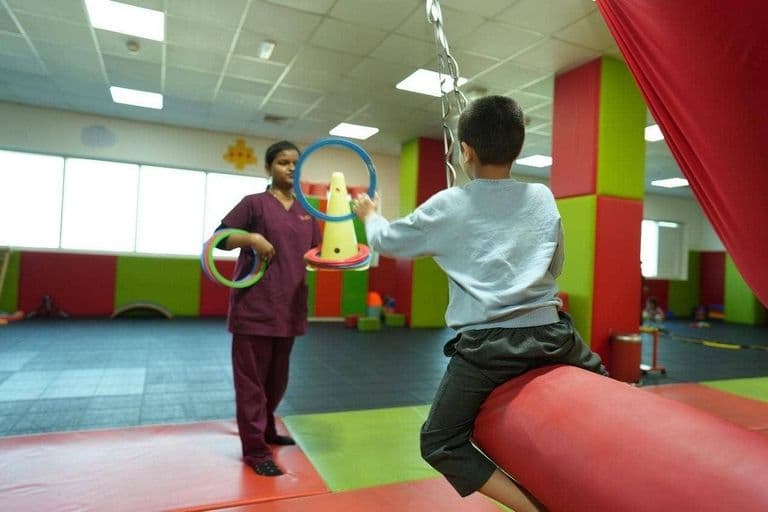
3. Make Time for Physical Activity
If you want a healthy child—and these days, prioritizing health really matters—you have to make sure they are moving. We are seeing an increase in metabolic disorders in children simply due to a lack of exercise and physical activity.
- The Daily Goal: Aim for at least 2 to 3 hours of physical activity every single day (keep in mind, this includes recess and PE activities at school).
- The Benefits: Regular physical activity isn't just about physical health; it helps kids dissipate their excess energy, allowing them to be more calm, focused, and regulated at home.
It is always good to move. By keeping their schedules balanced and their bodies active, you set them up for long-term success. Stay active, stay healthy!