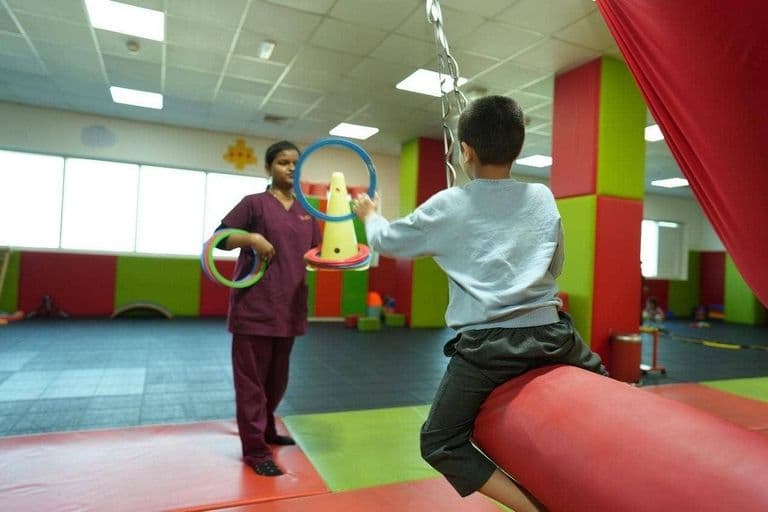
How Children Truly Learn Social Skills: Experience Over Instruction
Parents still need to understand that social skills are not something that can be taught by rote. They are skills that need to be learned through real experience.
By Jewel Centre for Autism ·

The Better Mother: Balancing Work and Home
Whether a woman is a career professional or a dedicated homemaker, the "best" mothering style often shifts as a child grows. Here is a breakdown of the key stages and strategies discussed:
The Early Years (0-4 Years)
- Maximum Support: During the first 3-4 years, children require the highest level of care, affection, and emotional support.
- Parental Presence: The consistent availability of a mother during this foundational period is incredibly beneficial for a child's development.
Growing Independence (Above 5 Years)
As children grow, the approach to parenting should evolve to foster self-reliance:
For Working Mothers
- Shared Responsibilities: Since your time is limited, involve your child in age-appropriate tasks.
- Decision-Making: Encourage them to make small choices for themselves.
- Daily Skills: Teach them to handle routines, look after their siblings, or even complete simple errands like going to a nearby shop.
For Homemakers
Even with more available time, it is important not to be 100% available for every minor need. Giving children small responsibilities ensures they do not become overly dependent.
Conclusion
Whether a mother works outside the home or manages the household, the key to "better" mothering lies in transitioning from a role of total support in early childhood to a role that encourages self-sufficiency as the child grows.