How Early Occupational Therapy Intervention Improves Child Development Outcomes in Dubai
Early childhood is one of the most important periods in human development.
By Jewel Centre for Autism ·

INTRODUCTION
Early childhood is one of the most important periods in human development. During the first few years of life, a child’s brain grows rapidly and forms millions of neural connections that influence learning, behavior, motor skills, and emotional development. Because the brain is highly adaptable during this stage, early intervention therapies can have a profound impact on a child’s developmental progress.
For children who experience developmental delays, autism spectrum disorder, sensory processing challenges, ADHD, or motor coordination difficulties, occupational therapy can provide structured support that helps them build the skills required for everyday life.
Occupational therapy focuses on developing practical abilities that allow children to participate independently in daily activities such as playing, learning, dressing, eating, and interacting with others. When these skills are developed early, children are more likely to succeed in school and social environments.
In Dubai, awareness about early intervention has increased significantly among parents and healthcare professionals. Many families now seek occupational therapy services during the early years of a child’s development to ensure that developmental challenges are addressed before they become more complex.
At Jewel Autism Centre Dubai, occupational therapy programs emphasize early intervention strategies that support children’s development during critical growth stages. Through individualized therapy plans, therapists help children strengthen foundational skills that support lifelong independence and confidence.
Why Early Childhood is a Critical Developmental Period
The early years of life represent a time when the brain demonstrates remarkable flexibility and adaptability. This ability, known as neuroplasticity, allows the brain to form and reorganize neural connections in response to experiences and learning.
During this period, children develop important abilities including:
- Motor coordination
- Language development
- Emotional regulation
- Social interaction skills
- Cognitive abilities
When developmental challenges are identified early, occupational therapy can help strengthen these neural pathways through targeted activities and therapeutic interventions.
By providing structured support during this critical stage, occupational therapy helps children build the foundation needed for future learning and independence.
Role of Occupational Therapy in Early Childhood Development
Occupational therapy helps children develop the skills required to perform everyday activities independently. These activities, often referred to as “occupations,” include self-care tasks, play, learning activities, and social participation.
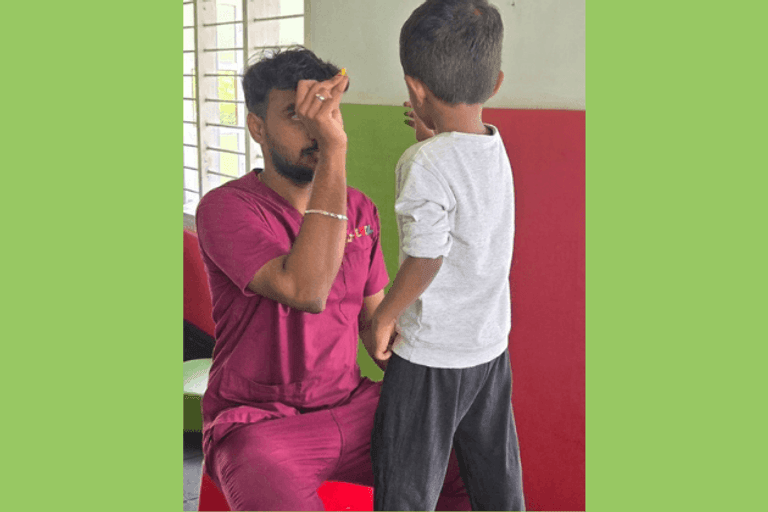
Occupational therapists assess the child’s developmental abilities and identify areas where additional support may be needed. Based on this assessment, therapists design individualized therapy plans that focus on strengthening specific developmental skills.
Early occupational therapy interventions typically address areas such as:
- Motor skill development
- Sensory processing regulation
- Attention and focus
- Daily living skills
- Social participation
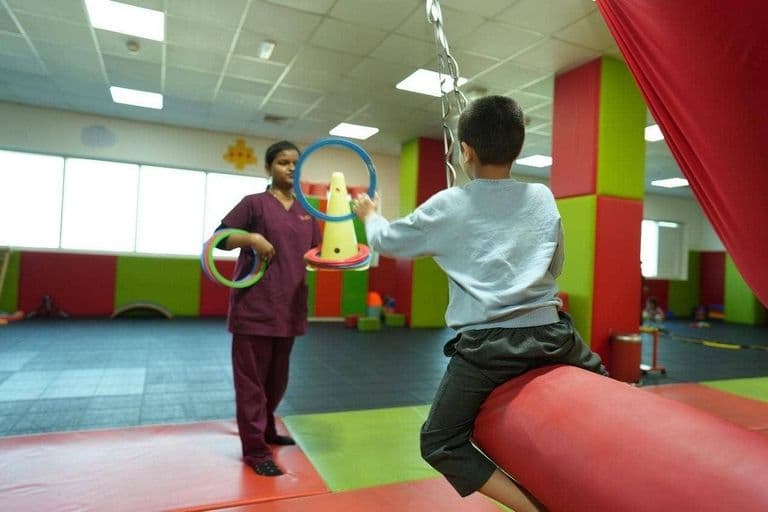
Through engaging and play-based activities, therapists help children practice these skills in a supportive environment.
Motor Skill Development
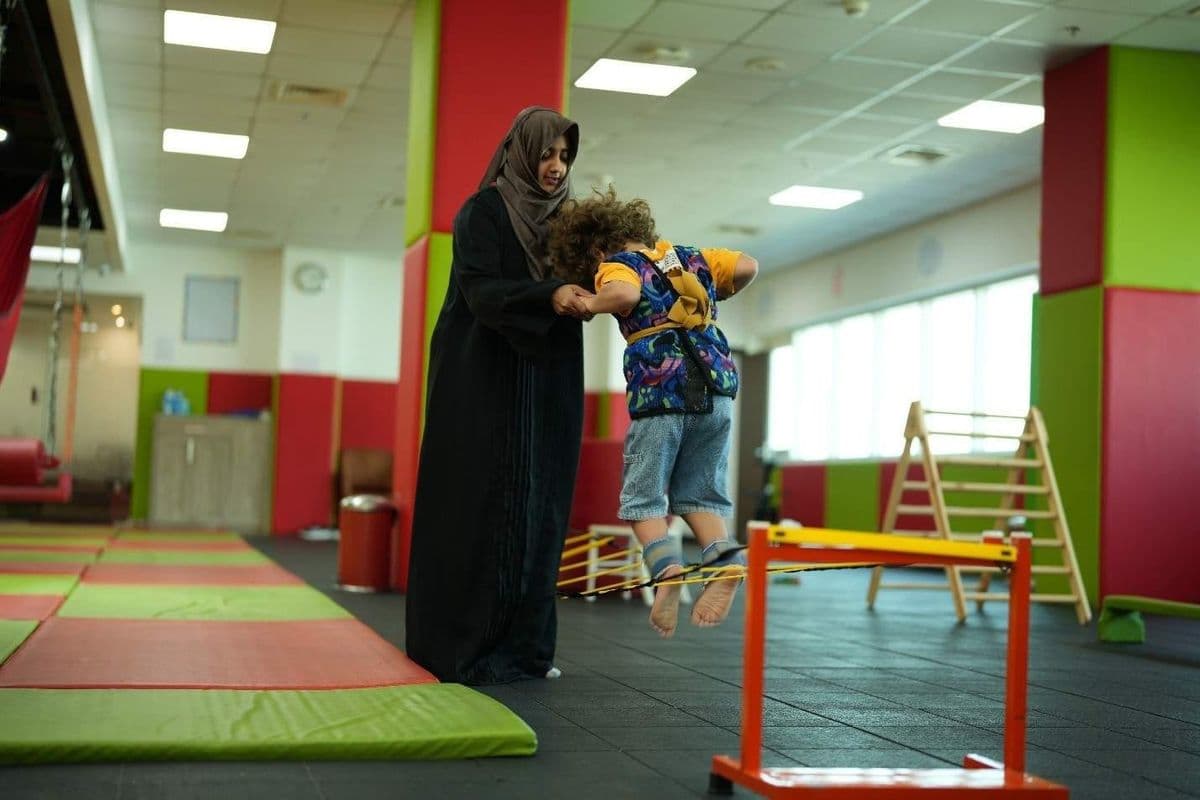
Motor development is an essential component of childhood growth. Children rely on motor skills to perform tasks such as crawling, walking, running, drawing, writing, and manipulating objects. Motor skills are generally divided into two categories: fine motor skills and gross motor skills.
Fine motor skills involve small muscle movements in the hands and fingers. These skills are required for tasks such as writing, drawing, cutting with scissors, and using utensils. Gross motor skills involve larger muscle groups responsible for movements such as jumping, climbing, balancing, and running.
Children who experience delays in motor development may struggle with coordination, posture, and physical activities. Occupational therapy uses targeted exercises and play activities to strengthen muscles, improve coordination, and develop body awareness.
Sensory Processing Development
Sensory processing refers to how the brain receives and interprets information from the senses. Children constantly receive sensory input from their environment, including sounds, textures, movement, and visual stimuli. Some children experience sensory processing difficulties, meaning their brains may interpret sensory information differently. They may become overwhelmed by sensory stimuli or seek intense sensory experiences.
Occupational therapy helps children learn to regulate sensory input so they can remain calm and focused during activities. Therapists use sensory-based strategies such as movement activities, tactile exploration, and calming techniques to support sensory regulation.
When children develop effective sensory regulation skills, they are better able to participate in learning, play, and social interactions.
Development of Daily Living Skills
Another important goal of occupational therapy is to help children develop independence in daily living activities.
Daily living skills include:
- Dressing independently
- Feeding using utensils
- Brushing teeth
- Managing personal hygiene
- Following daily routines
Children with developmental challenges may require structured teaching and repeated practice to master these tasks.
Occupational therapists break down complex tasks into smaller steps and guide children through the learning process. As children become more independent in daily activities, they gain confidence and self-esteem.
Improving Attention and Emotional Regulation
Some children experience difficulty maintaining attention, managing emotions, or coping with transitions between activities.
Occupational therapy provides strategies that help children develop self-regulation skills. These strategies help children remain calm, focused, and engaged in tasks.
Examples of techniques used in therapy include:
- Structured routines
- Visual schedules
- Movement breaks
- Relaxation exercises
- Sensory calming strategies
Developing these skills helps children participate more effectively in classroom and social environments.
Long-Term Benefits of Early Occupational Therapy
Children who receive early occupational therapy intervention often show improvements across several areas of development.
Some long-term benefits include:
- Improved academic performance
- Increased independence in daily activities
- Better social interaction skills
- Stronger emotional regulation
- Increased confidence and self-esteem
By addressing developmental challenges early, occupational therapy helps children build the skills needed for lifelong success.
Occupational Therapy at Jewel Autism Centre Dubai
At Jewel Autism Centre Dubai, occupational therapy programs are designed to support children during critical stages of development.
Therapy programs are individualized based on each child’s developmental needs and may include:
- Motor skill development
- Sensory integration strategies
- Daily living skills training
- School readiness preparation
- Emotional regulation techniques
Therapists work closely with families to provide guidance and strategies that support the child’s development both in therapy sessions and at home.
Conclusion
Early occupational therapy intervention can play a transformative role in a child’s developmental journey. By supporting motor development, sensory processing, daily living skills, and emotional regulation, occupational therapy helps children build the foundation needed for independence and success. For families in Dubai seeking developmental support for their children, early occupational therapy provides an opportunity to address challenges during the most critical stages of brain development.
At Jewel Autism Centre Dubai, occupational therapy programs focus on empowering children and supporting families through evidence-based intervention and compassionate care.