Parental Stigma the Barrier to True Inclusion
Children with disabilities are most accepted by the children they study with. However, the ones who do not like them at all and do not accept them are the parents of these classmates.
By Jewel Centre for Autism ·
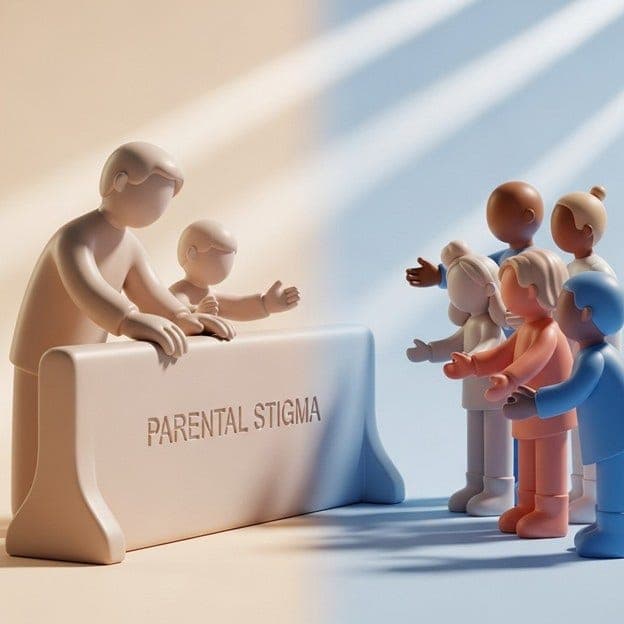
Children with disabilities are most accepted by the children they study with. However, the ones who do not like them at all and do not accept them are the parents of these classmates.
Once this child completes studying in that class, my child’s matters will not go well, right? Are they the ones my child should be afraid of, or are they the parents who do not want to send their child to a school where a child like this studies? All children and all individuals are different; understanding and accepting the different abilities and limitations equally is the responsibility of our society.
The children who recognize and accept these limitations at an early age, and show compassion towards them, when they grow up, the society will also learn to understand people with disabilities and show empathy towards them. If social skills are to develop in children, they must have the opportunity to interact and learn with people who have developmental needs.
Often, our parents neither understand nor accept this. But these children accept and care for them a lot. This perspective that we constantly change will help our children grow up with strong social responsibility, compassion, and good abilities.
It is something we see very commonly: when children grow up, parents often fail to understand their situations or difficulties and leave them in orphanages. We must cultivate in children from an early age the commitment to understand the struggles faced by older people or people with disabilities, show them compassion, and pay attention to their matters.
Sending children to school is not just for learning numbers, languages, or developing their artistic abilities, but the greatest opportunity is to allow a child with developmental needs to study with others, so they can learn compassion for others, recognize others’ limitations, and acquire social responsibility.