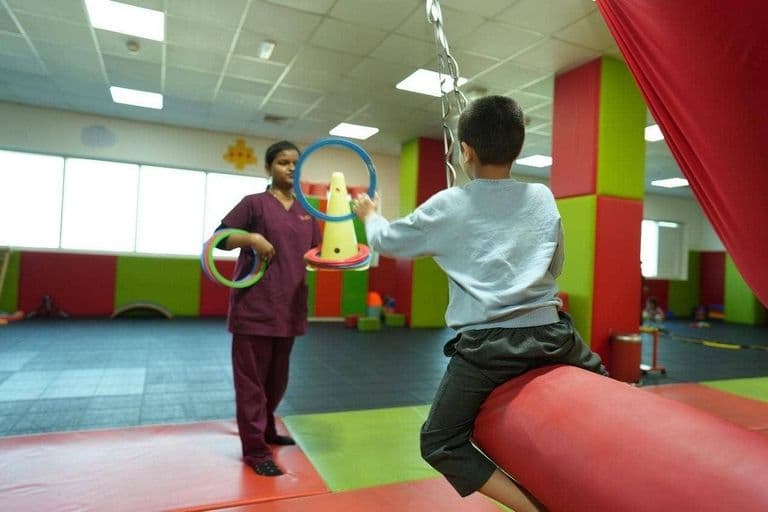
The Art of Play: A Guide to Connecting with Your Child
Playing with your child is more than just a way to pass the time; it is a fundamental building block for their development.
By Jewel Centre for Autism ·

Playing with your child is more than just a way to pass the time; it is a fundamental building block for their development. When you engage in their world, you aren't just a spectator—you become a partner in their growth. By following their lead and staying present, you can foster a deeper bond while boosting their cognitive and social skills.
Following Their Lead
The secret to successful play is letting your child take the driver's seat. If they are building with blocks, offer a few extra pieces to help them expand. If they are playing with a doll, join in by brushing the doll’s hair. By supporting their ideas rather than directing them, you show that their interests are valued, making them more likely to stay engaged and connect with you.
Enhancing Interaction Through Praise and Pretend
Communication is key during playtime. Use descriptive language to narrate what is happening—try saying things like, "That tower is so tall!" or "The car is moving so fast!" This reinforces their efforts and keeps them interested. Additionally, dive into pretend play by setting up a grocery store, a school, or a car race. These scenarios are excellent for increasing interaction and helping children understand the world around them.
Stimulating the Senses and Problem-Solving
To support brain development, incorporate sensory play using materials like sand, water, or clay. These textures provide vital stimulation that aids in cognitive growth. Furthermore, use play as an opportunity to build critical thinking skills. If a block tower falls, instead of fixing it, ask, "How can we prevent it from falling next time?" This encourages them to find their own solutions.
The Rules of Engagement
To make the most of these moments, keep the following tips in mind:
- Get on their level: Play face-to-face and maintain eye contact.
- Keep it simple: Use language that is easy for them to understand.
- Be present: Put away the phone and avoid multitasking or chatting with other family members.
Conclusion
Investing just 20 to 30 minutes a day in focused play can make a world of difference for a child under five. By meeting them at their level, you are doing much more than "just playing"—you are actively improving their social interaction, communication, and language development. Turn off the distractions, get down on the floor, and enjoy the journey of discovery together.