THE IMPORTANCE OF PLAY FOR DEVELOPING MOTOR SKILLS
In a world increasingly focused on early academics, structured learning, and screen-based activities, play is sometimes seen as optional — something children do after “real learning” is completed.
By Jewel Centre for Autism ·
Introduction
In a world increasingly focused on early academics, structured learning, and screen-based activities, play is sometimes seen as optional — something children do after “real learning” is completed.
But from a developmental perspective, play is not a break from learning.
Play is how children learn.
Motor skills — both fine and gross — develop most effectively through active, meaningful play experiences.
What Are Motor Skills?
Motor skills refer to the ability to move and control the body.
They are broadly divided into:
🔹 Gross Motor Skills
Large movements involving the whole body
(e.g., running, jumping, climbing)
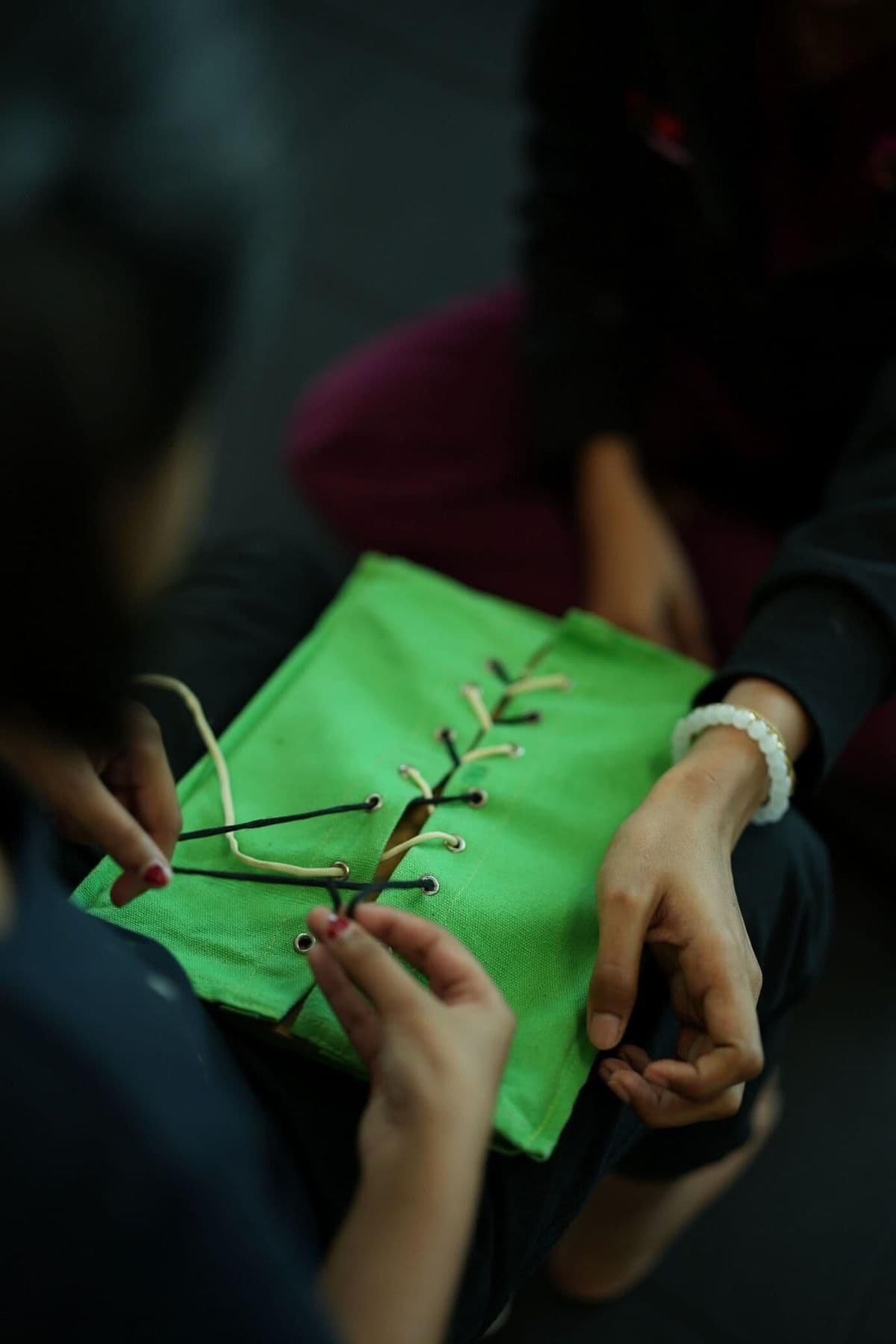
🔹 Fine Motor Skills
Small, precise movements
(e.g., writing, buttoning, using tools)
Both are interconnected and essential for daily functioning
Why Play Is Essential for Motor Development
Play provides opportunities for:
•Repetition without boredom
•Exploration of movement
•Trial and error learning
•Strength and coordination development
•Sensory integration
According to occupational therapy principles, meaningful and engaging activities promote better motor learning than repetitive drills
(Bundy, Lane, & Murray, 2008).
How Play Builds Motor Skills
🟢 1. Strength and Endurance
Climbing, crawling, and running build muscle strength.
🔵 2. Coordination and Balance
Activities like jumping, hopping, and ball play improve coordination.
🟡 3. Bilateral Coordination
Play involving both hands (e.g., catching, building) improves coordination.
🔴 4. Fine Motor Skills
Drawing, building, and manipulating objects strengthen hand control.
🟣 5. Motor Planning
Obstacle courses and imaginative play enhance planning and sequencing
The Role of Sensory Input in Play
Play is rich in sensory experiences.
Children receive:
• Proprioceptive input (body awareness)
• Vestibular input (movement and balance)
• Tactile input (touch)
Sensory integration theory explains that this input supports motor coordination and adaptive responses (Ayres, 1979).
What Happens When Play Is Limited
When children have fewer opportunities for active play:
•Motor skills may develop more slowly
•Strength and coordination may be reduced
•Attention and regulation may be affected
•Confidence in physical activities may decrease
Sedentary routines and excessive screen time can contribute to these challenges.
Simple Ways to Encourage Play
Parents and caregivers can support motor development through:
✅ Outdoor play (running, climbing, cycling)
✅ Ball games
✅ Building and construction play
✅ Dancing and movement activities
✅ Obstacle courses at home
✅ Creative and pretend play
Play does not require expensive equipment — it requires opportunity and encouragement.
The Role of Occupational Therapy
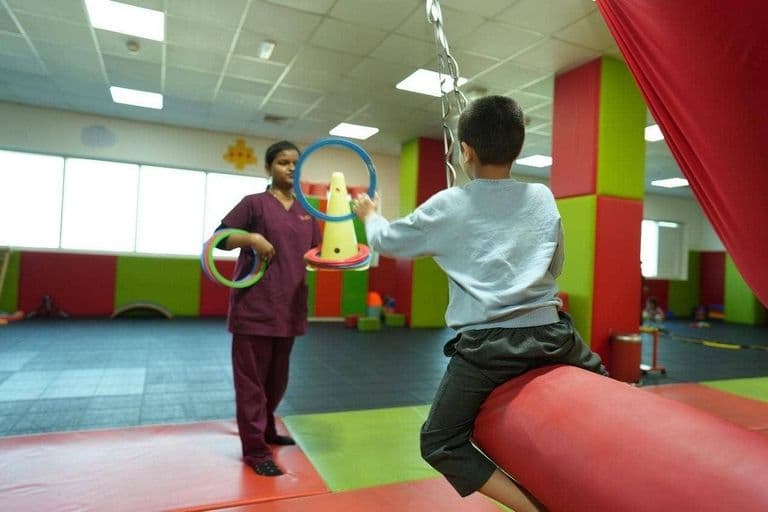
Pediatric occupational therapists use play as a primary therapeutic tool.
Therapy sessions may include:
•Sensory-motor activities
•Fine motor play
•Structured movement tasks
•Functional skill development
Play-based interventions support both motor and sensory development simultaneously.
Final Thoughts
Play is not just entertainment — it is a powerful developmental tool.
Through play, children build strength, coordination, confidence, and independence.
In a world that often prioritizes structured learning, protecting time for play may be one of the most important things we can do for a child’s development.
Because when children play, they are building the skills they need for life.
References
Ayres, A. J. (1979). Sensory integration and the child. Western Psychological Services.
Bundy, A. C., Lane, S. J., & Murray, E. A. (2008). Sensory integration: Theory and practice (2nd ed.). F.A. Davis.