The Importance of Vestibular, Proprioceptive, and Tactile Senses in Autistic Children
Autism Spectrum Disorder (ASD) affects how a child experiences and responds to the world around them.
By Jewel Centre for Autism ·
Autism Spectrum Disorder (ASD) affects how a child experiences and responds to the world around them. While communication and social interaction are often discussed, sensory processing plays an equally vital role in an autistic child’s daily life. Among the many sensory systems, the vestibular, proprioceptive, and tactile senses are especially important because they influence movement, body awareness, emotional regulation, and learning.
Understanding how these senses work—and why they matter—can help parents, caregivers, and educators better support autistic children in meaningful and practical ways.
Understanding the Three Key Sensory Systems
1. Vestibular Sense: The Sense of Balance and Movement
The vestibular system is located in the inner ear and helps the body understand movement, balance, and spatial orientation. It tells us whether we are moving fast or slow, spinning or standing still, and helps us maintain posture and coordination.
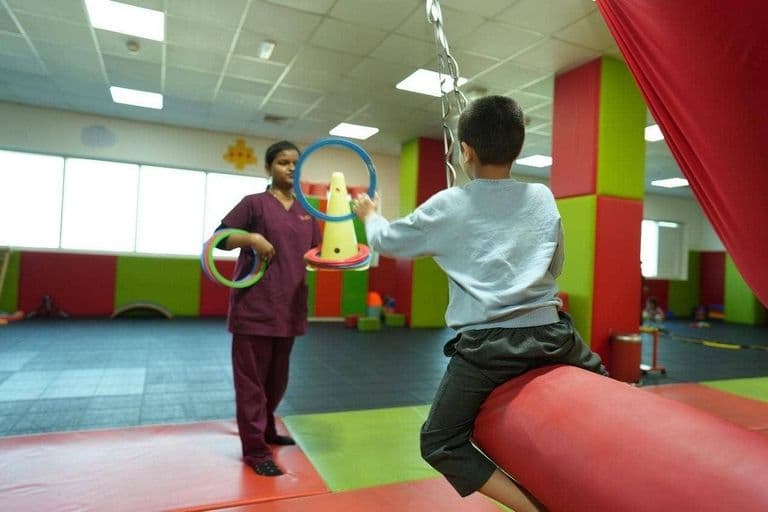
In autistic children, the vestibular system may be over-responsive or under-responsive. Some children may seek constant movement, such as spinning or rocking, while others may avoid swings, slides, or stairs due to discomfort or fear. A well-regulated vestibular system supports balance, attention, eye control, and emotional stability.
2. Proprioceptive Sense: Awareness of the Body
Proprioception allows a child to know where their body is in space without looking. It helps with activities like walking, writing, climbing, and even sitting upright. This sense comes from muscles, joints, and connective tissues.
Many autistic children have difficulty processing proprioceptive input. They may bump into objects, use too much or too little force, or struggle with coordinated movements. However, proprioceptive input—such as pushing, pulling, or carrying—can be very calming. It helps improve focus, self-regulation, and body control.
3. Tactile Sense: The Sense of Touch
The tactile system processes information from the skin, including pressure, texture, temperature, and pain. It plays a critical role in safety, emotional bonding, and daily tasks such as dressing and eating.
Autistic children may be hypersensitive to touch, reacting strongly to certain fabrics, tags, or light touch. Others may be hyposensitive and seek deep pressure or strong tactile experiences. A balanced tactile system supports comfort, social interaction, fine motor skills, and self-confidence.
Why These Senses Are Especially Important for Autistic Children
The vestibular, proprioceptive, and tactile systems work together to help children understand their bodies and interact with their environment. When these systems are well supported, autistic children may experience:
* Improved emotional regulation
* Better attention and learning readiness
* Increased body awareness and coordination
* Reduced anxiety and sensory overload
* Greater independence in daily activities
When sensory needs are unmet, children may show behaviors such as meltdowns, withdrawal, excessive movement, or difficulty focusing. These behaviors are often a form of communication, signaling that the child’s sensory system needs support.
Supporting Sensory Development in Daily Life
Parents and caregivers can help nurture these sensory systems through simple, everyday activities:
* *Vestibular activities: * swinging, rocking, gentle spinning, walking on uneven surfaces
* *Proprioceptive activities: * pushing heavy objects, carrying groceries, climbing, jumping
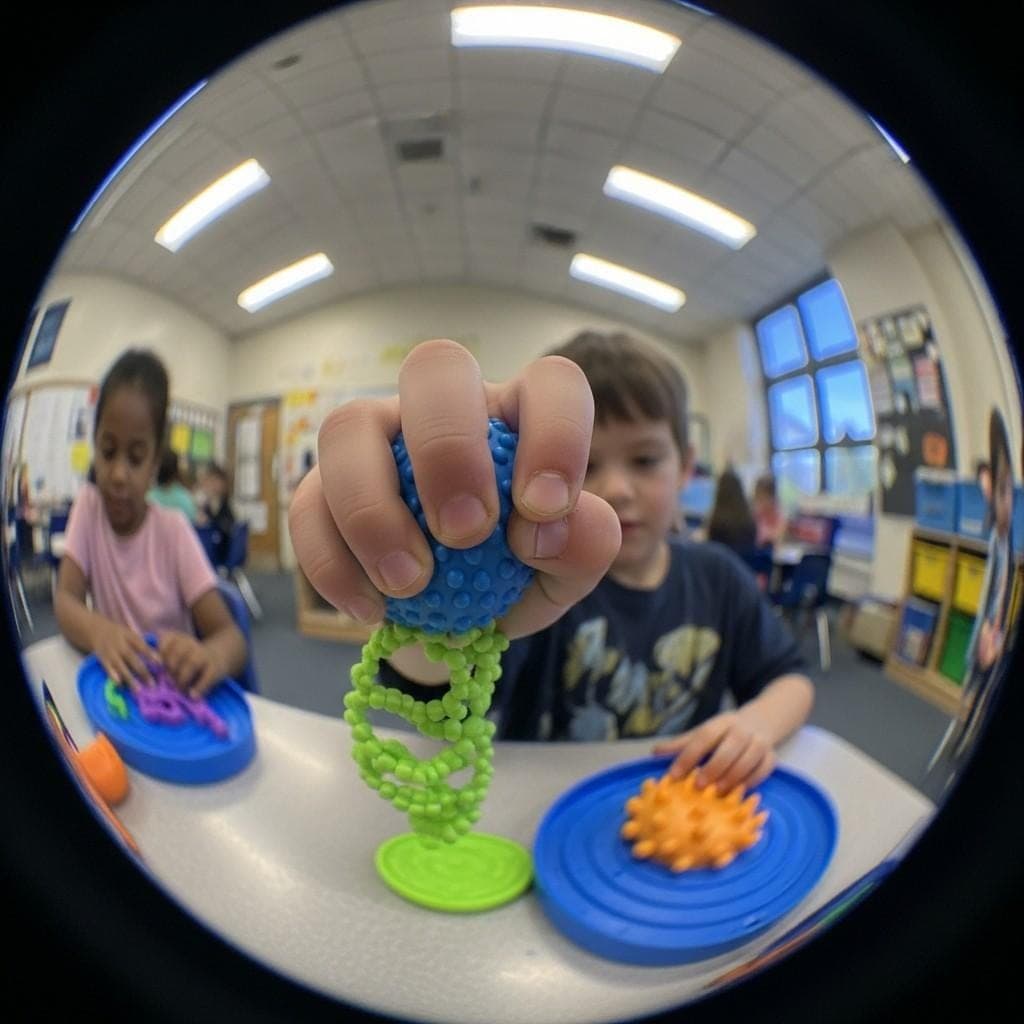
* *Tactile activities: * playing with sand, water, playdough, textured toys, deep-pressure hugs
Occupational therapy often plays a key role in creating individualized sensory strategies that are safe and effective for each child.
Conclusion
The vestibular, proprioceptive, and tactile senses are foundational to how autistic children experience the world. When these sensory systems are understood and supported, children are better able to regulate their emotions, engage in learning, and participate in everyday activities with confidence.
By recognizing sensory differences not as challenges to “fix,” but as unique ways of experiencing the world, we can create more inclusive, supportive environments where autistic children can thrive.
If you’d like, I can:
* Simplify this for a *school project*
* Make it *more academic with references*
* Rewrite it for *parents or therapists*
* Add *real-life examples or activities*