THE SCIENCE BEHIND SENSORY DIETS: ARE THEY JUST A TREND OR TRULY EFFECTIVE?
Sensory diets have become one of the most talked-about tools in pediatric occupational therapy.
By Jewel Centre for Autism ·
Sensory diets have become one of the most talked-about tools in pediatric occupational therapy. Parents share ideas on social media, teachers ask for suggestions, and therapists design programs tailored to each child’s needs. But amidst all the enthusiasm, some people still ask:
👉 Are sensory diets just a trendy buzzword… or does science truly support their use?
Let’s explore what sensory diets are, how they work, and what the research says about their effectiveness — in a way that is practical, trustworthy, and grounded in professional evidence.
WHAT IS A SENSORY DIET?
The term sensory diet was popularized by pediatric occupational therapists following the work of Dr. A. Jean Ayres and her sensory integration theory. It does not refer to food or nutrition — but rather to a structured set of sensory activities that are integrated into a child’s day.
A sensory diet typically includes:
🔹 Activities that provide proprioceptive input (heavy work like pushing, pulling, squeezing)
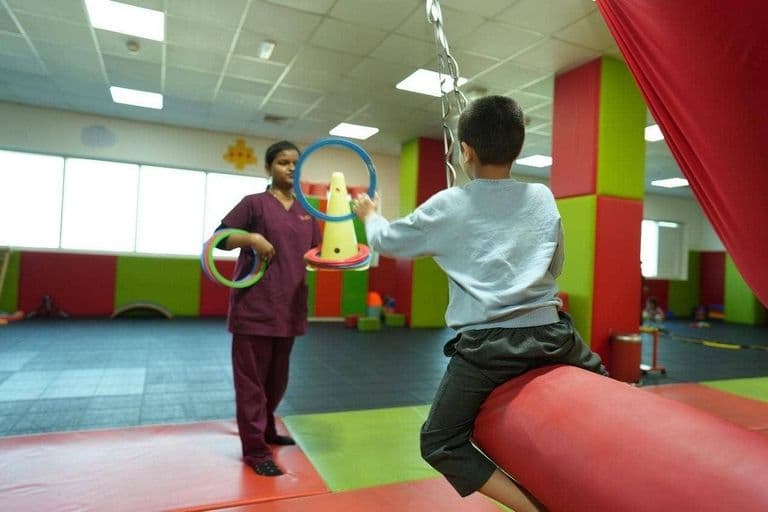
🔹 Vestibular movement (spinning, swinging, rolling)
🔹 Tactile play (sand, water play, tactile bins)
🔹 Calming deep pressure
🔹 Focused regulation strategies for transitions or stress
The goal is not to entertain the child — but to support the nervous system in organizing sensory input so the child can function more effectively.
WHY SENSORY DIETS ARE USED IN PEDIATRIC OT
Sensory diets are grounded in the belief that many children — especially those with sensory processing differences — struggle to organize sensory information from their environment. When sensory input is processed inefficiently, it can affect:
• Attention and focus
• Emotional regulation
• Motor coordination
• Behavior
• Daily routines (eating, dressing, transitions)
Pediatric occupational therapists design sensory diets after a careful assessment of a child’s sensory profile, goals, and natural routines.
EVIDENCE: WHAT RESEARCH SAYS
📌 1. Sensory Processing Does Matter
A systematic review by Schaaf and colleagues (2018) concluded that occupational therapy using Ayres Sensory Integration® shows efficacy for improving functional outcomes in children with sensory processing challenges. This includes improved participation, regulation, and adaptive responses. Although sensory diets are not always used in research the same way as in practice, the foundational sensory integration theory has empirical support.
Key point: Sensory integration therapy — which sensory diets are based on — has evidence for improving participation and behavior in children with sensory processing difficulties.
📌 2. Sensory Diets Promote Self-Regulation
Research on self-regulation shows that regulated children are better learners, communicators, and participants in daily life (Ayres, 1979; Bundy, Lane & Murray, 2008). Sensory diets include sensory motor activities designed to support a child’s alertness level. For example:
✅ Proprioceptive/ heavy work can calm and organize the nervous system.
✅ Vestibular input can increase alertness or aid calming, depending on the activity.
✅ Rhythm and repetition help the brain predict and prepare.
📌 3. Sensory Diets in School and Home Contexts
In applied studies, therapists have implemented sensory strategies (including sensory diets) with success:
• Improved attentional behavior in classrooms
• Reduced anxiety during challenging routines
• Better engagement during therapy and school activities
While more controlled research is always needed, clinical evidence from therapy practices supports the use of sensory diets as part of holistic intervention.
WHY SENSORY DIETS WORK (THE NEUROSCIENCE VIEW)
Sensory diet activities provide meaningful input that engages multiple neurological systems at once. This includes:
🔹 Proprioceptive feedback (body awareness and calm)
🔹 Vestibular stimulation (balance and regulation)
🔹 Tactile exploration (touch processing)
🔹 Movement patterns (motor planning)
These inputs help the brain predict and adapt to sensations, which supports regulation and attention.
Put simply — sensory diets help the brain become less reactive and more prepared for daily tasks.
COMMON MISUNDERSTANDINGS ABOUT SENSORY DIETS
While sensory diets have real therapy value, several misconceptions persist:
❌ They are just “busy activities.”
❌ Any sensory play counts as a sensory diet.
❌ They are only for kids with autism.
In reality:
✔ Sensory diets must be individualized, purposeful, and timed throughout the day.
✔ Not all sensory activities are regulatory — therapists select them based on goals.
✔ Sensory diets can benefit children with ADHD, anxiety, motor delays, and more — not only those with autism.
PRACTICAL EXAMPLE: A SIMPLE SENSORY DIET
A child who struggles with morning routines might have:
🌟 Deep pressure (pushing laundry basket)
🌟 Proprioceptive play (climbing stairs with weighted backpack)
🌟 Calming swing time
🌟 Wall push-ups before sitting at the table
These are not random games — they are strategic sensory tools integrated into the child’s natural morning process.
SO — ARE SENSORY DIETS JUST A TREND?
No. Sensory diets are not a fad. They are a clinically informed, neurologically grounded strategy used by pediatric occupational therapists.
However, their effectiveness depends on:
✔ Professional assessment
✔ Individualized planning
✔ Consistent implementation
✔ Integration into daily routines
✔ Family and caregiver understanding
When these conditions are met, sensory diets can be powerful tools for improving regulation, participation, and daily success.
FINAL THOUGHTS
Sensory diets are more than a trend — they are rooted in sensory integration theory and clinical practice. While research continues to grow, the clinical and scientific foundations support their use when carefully designed and implemented.
By understanding the why behind sensory diets, parents and educators can better support children in navigating the world — not just coping with it.
References
Ayres, A. J. (1979). Sensory integration and the child. Western Psychological Services.
Bundy, A. C., Lane, S. J., & Murray, E. A. (2008). Sensory integration: Theory and practice (2nd ed.). F.A. Davis.
Schaaf, R. C., & Mailloux, Z. (2015). Clinician’s guide for implementing Ayres Sensory Integration. AOTA Press.
Schaaf, R. C., Dumont, R., Arbesman, M., & May-Benson, T. (2018). Efficacy of occupational therapy using Ayres Sensory Integration®: A systematic review. American Journal of Occupational Therapy, 72(1).