Top Benefits of Occupational Therapy for Autism in Dubai
Occupational therapy is an essential part of therapy programs for children with autism spectrum disorder
By Jewel Centre for Autism ·
Introduction
Occupational therapy is an essential part of therapy programs for children with autism spectrum disorder. Many children with autism experience challenges related to sensory processing, motor coordination, and daily living skills. These challenges can affect how children interact with their environment, participate in school activities, and perform everyday routines.
Occupational therapy focuses on helping children develop the functional abilities needed for independence and participation in daily life. Through structured activities and individualized therapy programs, occupational therapists help children build important developmental skills. In Dubai, families increasingly seek occupational therapy as part of comprehensive intervention programs for children with autism. Early therapy intervention can help children improve independence, regulate sensory experiences, and participate more confidently in social and learning environments. At Jewel Autism Centre Dubai, occupational therapy programs focus on improving sensory regulation, motor coordination, emotional regulation, and daily living skills for children with autism.
Improved Sensory Regulation
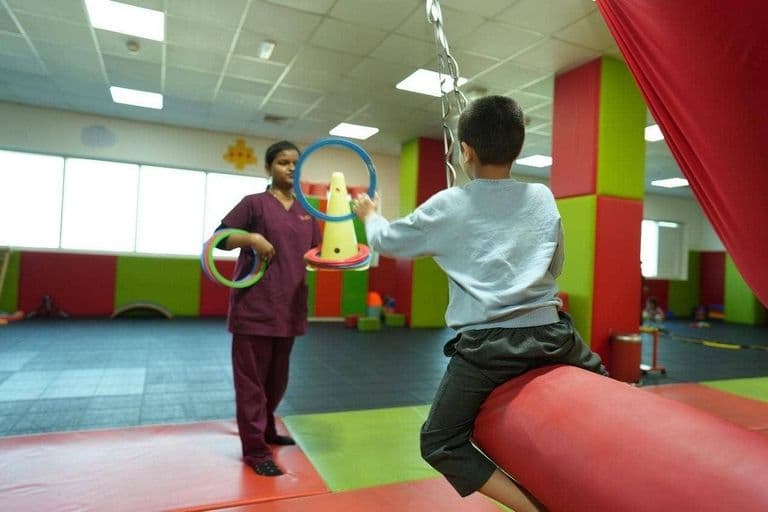
Many children with autism experience sensory sensitivities that affect how they respond to their environment. They may become overwhelmed by sounds, lights, textures, or crowded spaces. Occupational therapy uses sensory-based activities to help children regulate sensory input. These activities help the brain process sensory information more effectively.
Therapy activities may include:
•Movement-based activities
•Tactile play
•Balance exercises
•Deep pressure activities
These strategies help children remain calm, focused, and comfortable in different environments.
Improved Motor Skills
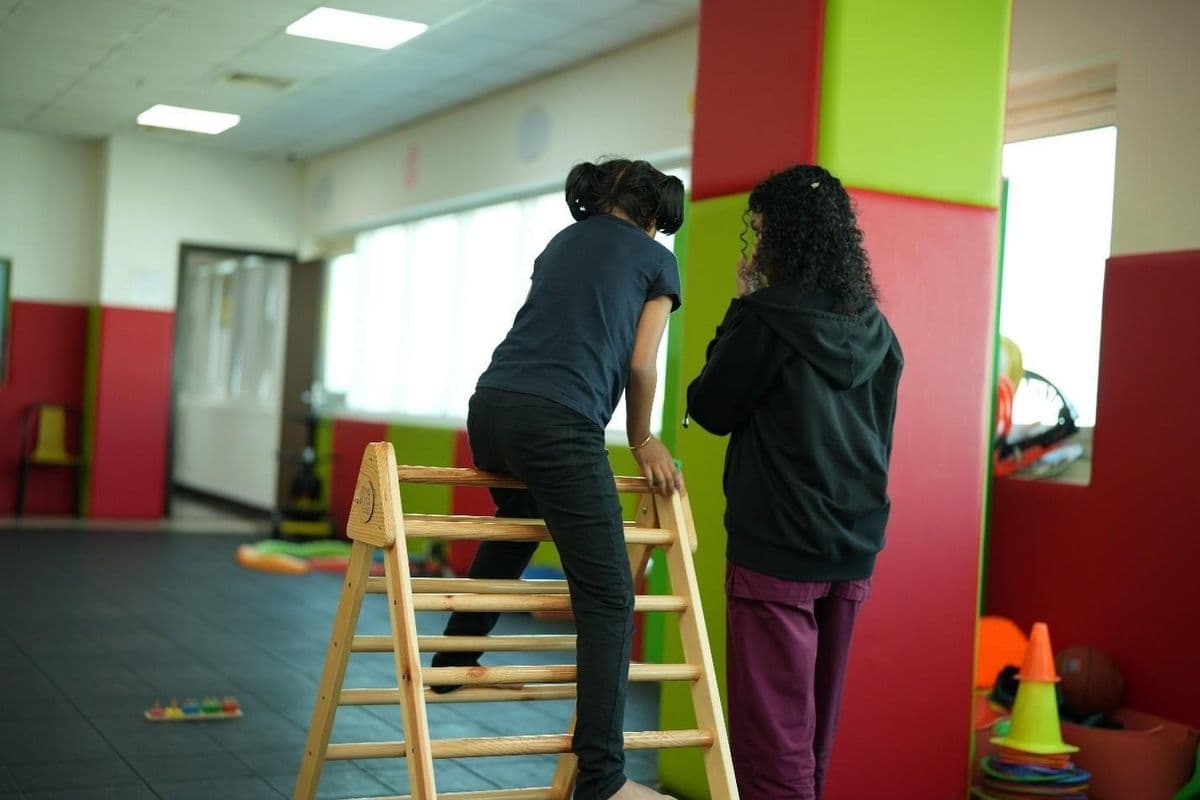
Motor skill delays are common among children with autism. These delays may affect both fine motor and gross motor development.
Fine motor skills involve small hand movements required for tasks such as writing, drawing, and using utensils.
Gross motor skills involve larger body movements such as running, jumping, and balancing.
Occupational therapy helps improve:
•Hand strength
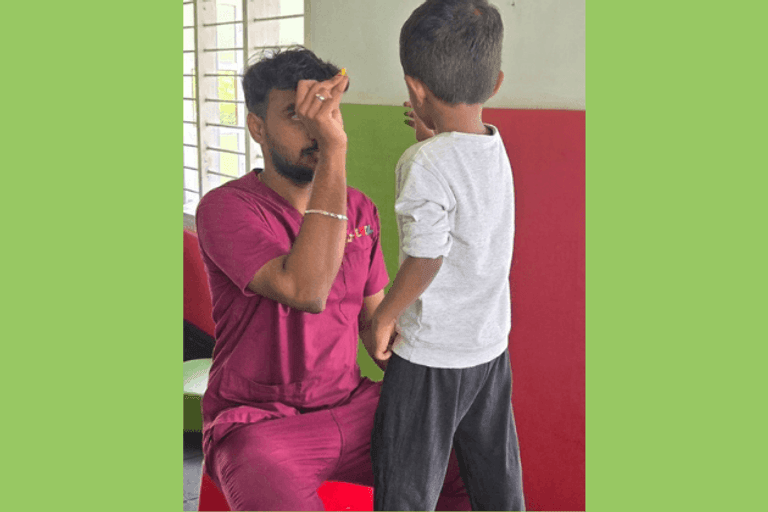
•Hand-eye coordination
•Balance and posture
•Body awareness
Developing these motor skills supports participation in school activities and play.
Increased Independence in Daily Activities
Occupational therapy focuses on helping children develop independence in everyday routines.
Examples of daily living skills include:
•Dressing independently
•Feeding using utensils
•Brushing teeth
•Managing personal hygiene
Occupational therapists teach these skills step by step and provide opportunities for practice. As children become more independent in daily tasks, their confidence and self-esteem improve.
Emotional Regulation
Children with autism may experience difficulty managing emotions or coping with changes in routine. Occupational therapists help children develop strategies that support emotional regulation.
Examples include:
•Sensory calming techniques
•Visual schedules
•Structured routines
•Relaxation strategies
These tools help children manage stress and transitions more effectively.
Improved Participation in School
Occupational therapy also supports skills that help children succeed in school environments.
These skills include:
•Maintaining attention during tasks
•Proper sitting posture
•Completing classroom activities
•Interacting with peers
By strengthening these skills, occupational therapy helps children participate more successfully in learning environments.
Occupational Therapy at Jewel Autism Centre Dubai
At Jewel Autism Centre Dubai, occupational therapy programs are individualized to meet each child’s developmental needs.
Therapy programs focus on:
•Sensory regulation
•Motor coordination
•Daily living skills
•Emotional regulation
•School readiness
Therapists also work closely with parents to provide strategies that can be practiced at home.
Conclusion
Occupational therapy provides essential support for children with autism by helping them develop independence, regulate sensory experiences, and improve motor coordination.
Through early intervention and consistent therapy, children with autism can build the skills needed to participate confidently in school, family life, and social environments.