Why Rewards and Punishments Don’t Always Work for ADHD
Traditional behavior systems often rely on rewards and punishments to improve behavior.
By Jewel Centre for Autism ·
Introduction
Traditional behavior systems often rely on rewards and punishments to improve behavior. While these approaches may work temporarily for some children, they often fail to address the underlying needs of children with ADHD.
This is because ADHD is not primarily a behavior problem — it is a regulation problem.
The ADHD Brain and Motivation
Children with ADHD often experience differences in:
- Dopamine regulation
- Reward processing
- Delayed gratification
- Emotional regulation
This means motivation systems work differently.
A child may genuinely want to succeed but still struggle to:
- Pause impulsively
- Sustain effort
- Manage frustration
Why Punishment Often Fails
Punishment may:
- Increase shame
- Damage self-esteem
- Escalate dysregulation
- Reduce motivation
Children with ADHD often hear negative feedback far more frequently than peers.
Regulation Before Behavior Control
Before expecting behavior change, we must support:
- Sensory regulation
- Emotional safety
- Attention systems
Children regulate better when they feel:
- Connected
- Understood
- Supported
What Helps Instead
✅ Co-Regulation
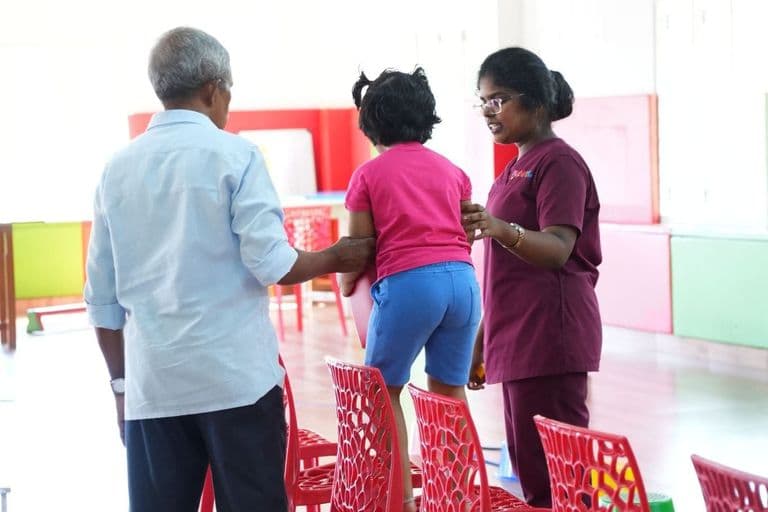
Calm adult support improves regulation.
✅ Immediate and Meaningful Feedback
ADHD brains respond better to immediate reinforcement.
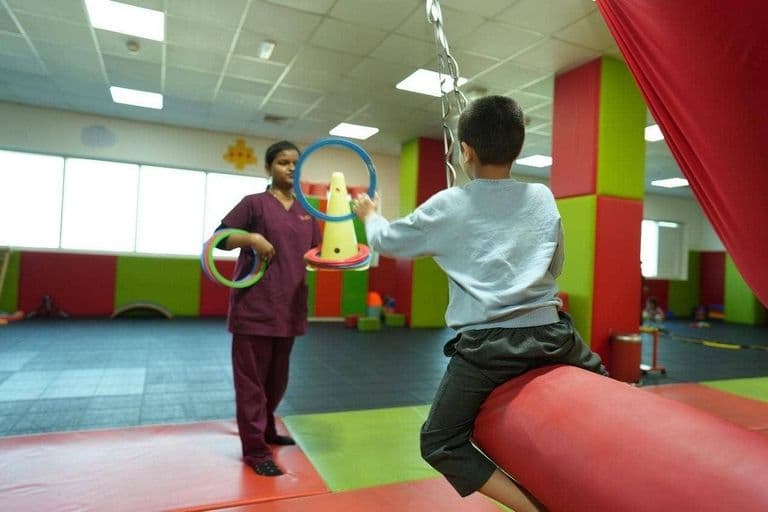
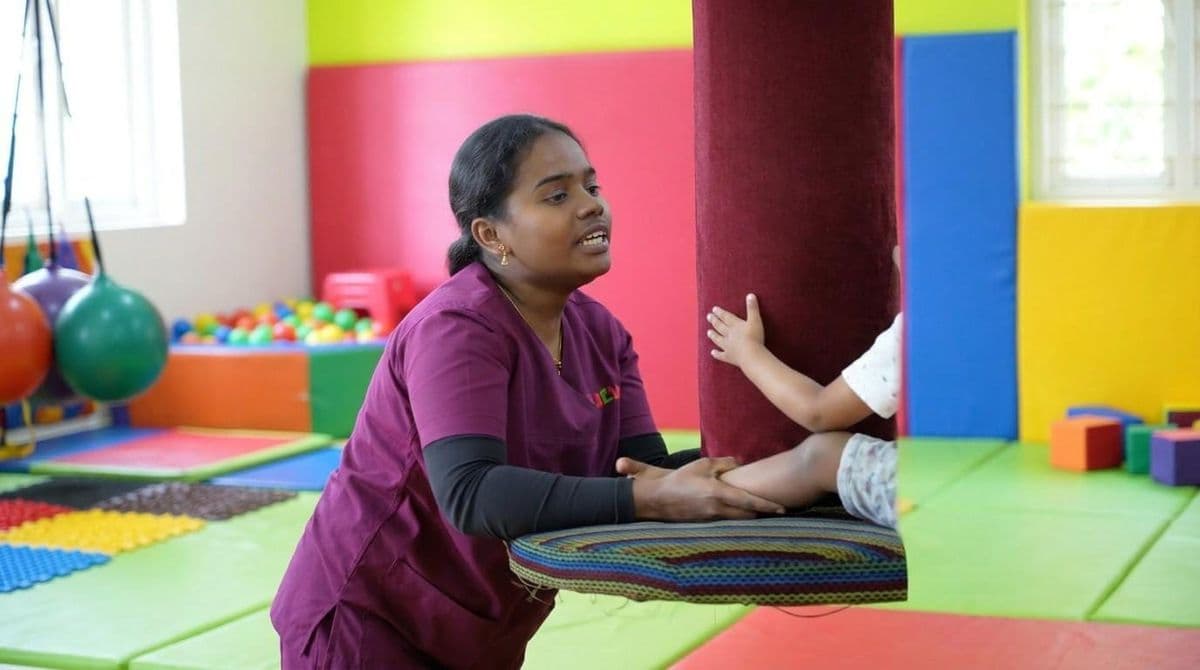
✅ Movement and Sensory Support
Regulated bodies support better decision-making.
✅ Relationship-Based Approaches
Connection improves participation more effectively than control.
Final Thoughts
Children with ADHD do not need harsher consequences — they need better support systems. Behavior improves when regulation improves. And regulation grows best in environments built on understanding rather than punishment.
References
- Barkley, R. A. (2015). Attention-deficit hyperactivity disorder: A handbook for diagnosis and treatment (4th ed.). Guilford Press.
- Porges, S. W. (2011). The polyvagal theory. W.W. Norton & Company.