 01
01ABA Therapy
At Jewel Autism Centre Dubai, we provide BCBA-supervised ABA therapy programs designed to help children develop essential life skills, functional communication, and independence.
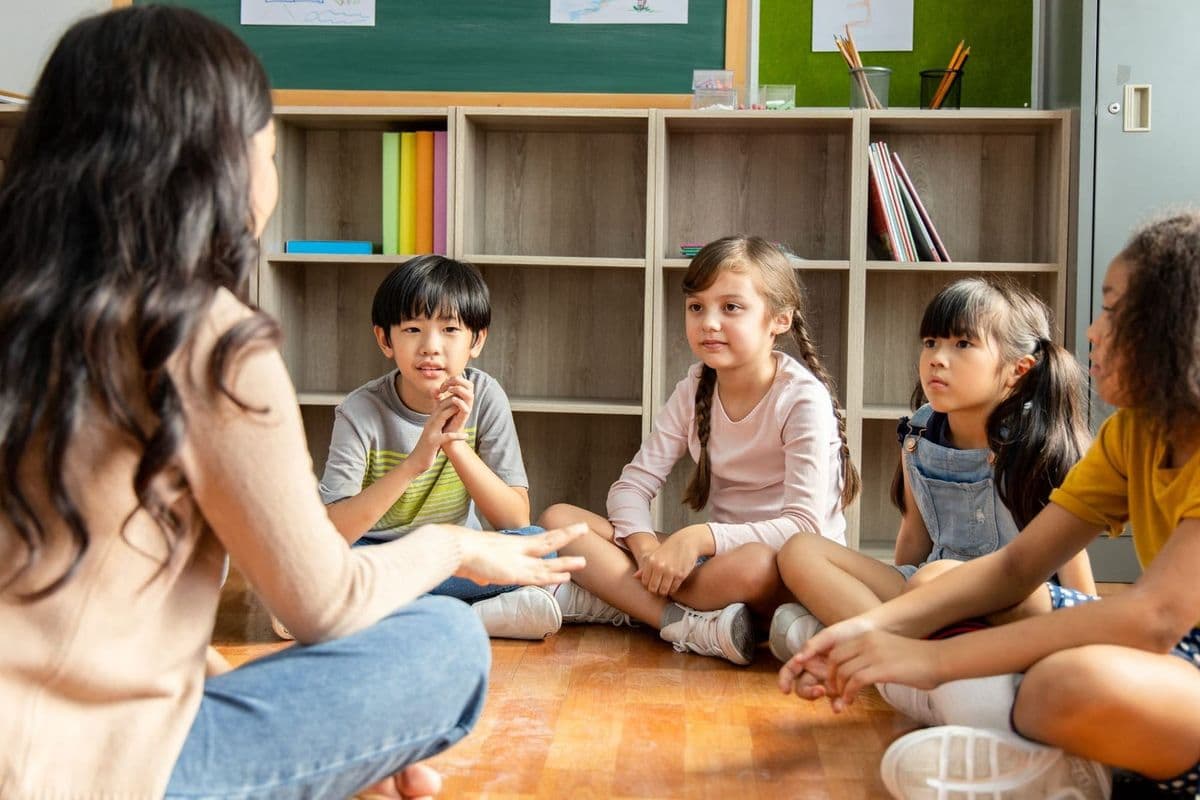
Group Therapy for Children with Autism provides a supportive and structured environment where children learn essential social, communication, and emotional skills alongside peers. Guided by trained therapists, group sessions encourage interaction, cooperation, and confidence through play-based and goal-oriented activities.
Small, age-appropriate groups focusing on targeted social goals using evidence-based strategies.
Fun, engaging activities designed to naturally encourage interaction, communication, and learning.
Applied Behavior Analysis principles are used to reinforce positive behaviors and reduce challenges within a group setting.
Children practice real-world situations such as classroom behavior, playground interaction, and group routines.
Group therapy focuses on improving social interaction, communication skills, emotional regulation, cooperative play, and confidence by helping children learn and practice these abilities in a structured peer-based environment.
Children practice greeting, turn-taking, sharing, and maintaining appropriate social behaviors with peers in a natural setting.
Children learn to recognize emotions, manage frustration, follow group rules, and respond positively to social cues.
Structured play activities promote cooperation, problem-solving, and understanding group dynamics.
Positive peer experiences help children build self-esteem, adaptability, and independence in social situations.
This therapy supports children with diverse developmental and speech challenges by strengthening foundational oral motor abilities.
Group therapy helps children learn turn-taking, sharing, and appropriate peer interactions in a structured and supportive setting.
Children are encouraged to express needs, understand others, and use functional language through guided group activities.
Therapy supports children in recognizing emotions, following group rules, and managing behaviors in social situations.
Group activities promote teamwork, problem-solving, and cooperative play, building confidence and social readiness.
Group therapy helps children with autism build social skills, improve communication, develop emotional regulation, and gain confidence by learning and practicing these abilities in a supportive peer environment.
This FAQ section is designed to guide you through essential information and address your most important queries.
Group therapy is typically suitable for children aged 3 years and above, with groups formed based on age and developmental level.
Most group therapy sessions include 3 to 6 children, ensuring individual attention while promoting peer interaction.
Sessions usually last 45 to 60 minutes, depending on the child’s attention span and therapy goals.
Yes. Group therapy supports both verbal and non-verbal children using visual supports, AAC strategies, and structured interaction.
Therapists regularly assess each child’s participation, social responses, and goal progress, and share updates with parents.
Absolutely. Group therapy works best when combined with individual therapies like ABA, speech therapy, or occupational therapy.
Parents typically do not attend sessions but receive guidance, feedback, and strategies to support learning at home.
01At Jewel Autism Centre Dubai, we provide BCBA-supervised ABA therapy programs designed to help children develop essential life skills, functional communication, and independence.
 02
02At Jewel Autism Centre Dubai, we provide BCBA-supervised Behaviour Therapy programs designed to help children develop essential life skills, functional communication, and independence.
 03
03 04
04