 01
01ABA Therapy
At Jewel Autism Centre Dubai, we provide BCBA-supervised ABA therapy programs designed to help children develop essential life skills, functional communication, and independence.
When a child struggles to speak, express needs, or engage socially, parents are often advised to “wait and see.” However, communication skills do not develop through waiting—they grow with timely, structured support.
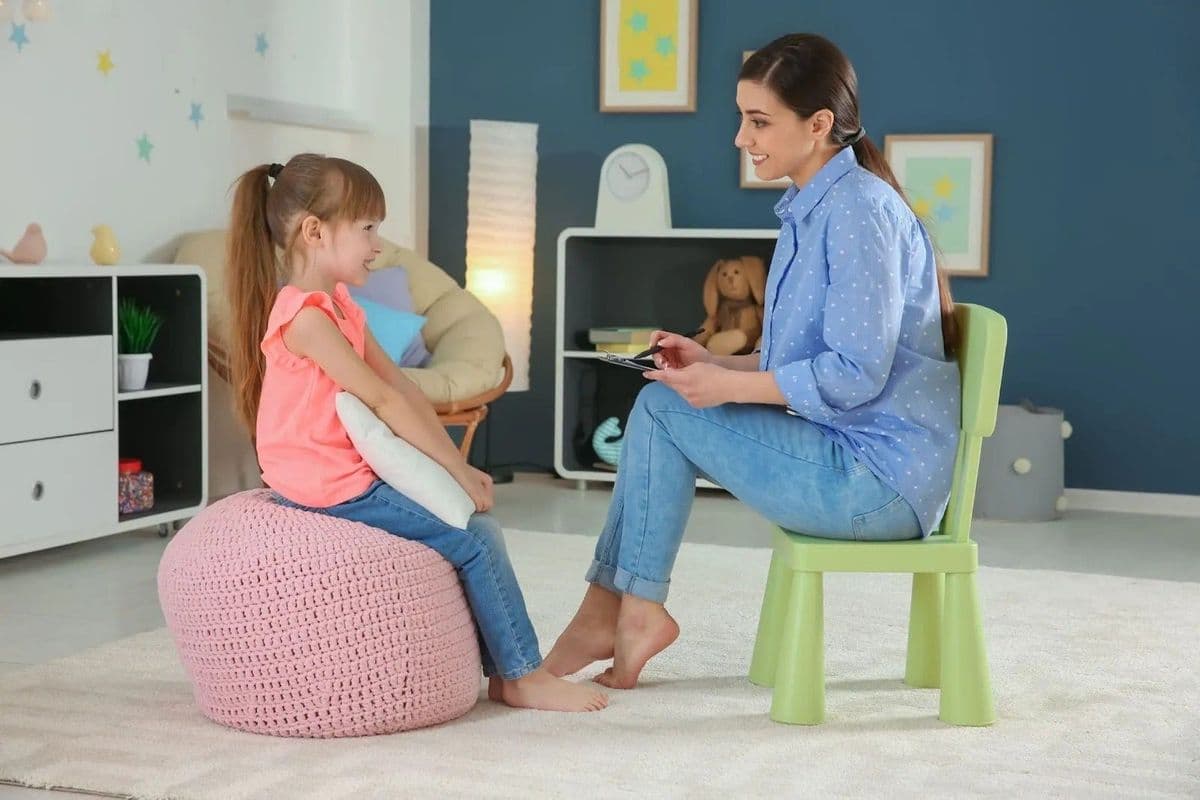
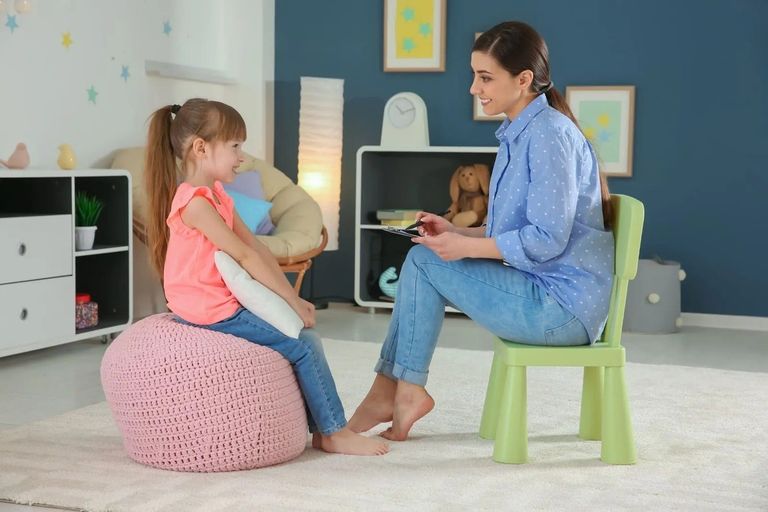
When a child struggles to speak, express needs, or engage socially, parents are often advised to “wait and see.” However, communication skills do not develop through waiting—they grow with timely, structured support. At Jewel Children with Autism Rehabilitation Centre – BurJuman, speech therapy is designed to help children build meaningful communication that enhances everyday life, learning, and social interaction. With individualized therapy plans, evidence-based methods, and a supportive, child-friendly environment, each child is guided to improve speech clarity, understand language better, express thoughts and emotions, and interact with confidence. Early intervention plays a crucial role in shaping a child’s communication journey, and with the right guidance, children can overcome challenges and reach their full potential—because every child deserves to be heard, understood, and empowered in their own unique way.
Our approach provides comprehensive support for children experiencing speech delay, autism-related communication difficulties, language disorders, social communication challenges, articulation issues, stammering, and feeding or oral motor difficulties. At Jewel Children with Autism Rehabilitation Centre, we focus on identifying each child’s unique strengths and challenges, creating individualized therapy plans that target both communication and functional life skills—helping children build clarity in speech, confidence in expression, and greater independence in their everyday interactions. Speech delay
Speech therapy is a structured intervention that helps children develop clear speech, understand and use language effectively, and build the confidence to express their thoughts, needs, and emotions in everyday situations, supporting their overall learning, social interaction, and independence.
Speech is not just about words. It is about meaningful interaction and connection. At Jewel Children with Autism Rehabilitation Centre, therapy focuses on developing real-life communication skills that empower children to express themselves clearly, understand others, and participate confidently at home, in school, and in social environments, helping them build independence and stronger relationships in everyday life.
Children may benefit from speech therapy if they have difficulty pronouncing words clearly, struggle to form sentences appropriate for their age, have limited vocabulary, find it hard to understand or follow simple instructions, avoid eye contact or social interaction, show frustration while trying to communicate, stammer frequently, or experience challenges with feeding and oral motor skills, as early support can significantly improve their communication and overall development.
These signs may indicate speech delay or communication challenges requiring early support.
Speech therapy at Jewel Dubai helps children with:
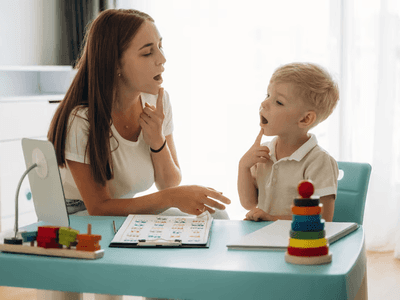
Children who start talking later than expected or have limited vocabulary for their age benefit from early speech intervention.
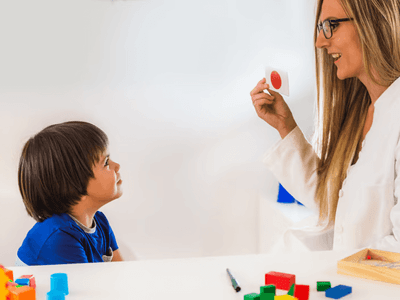
Provide specialized speech therapy for autism in Dubai, focusing on social communication, imitation, and expressive language development. Articulation & Pronunciation Disorders.
Late talking refers to when a child does not begin using words or combining simple phrases at the expected age for their developmental stage.
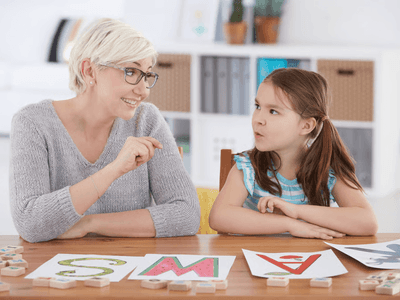
Includes both receptive (understanding) and expressive (speaking) language delays that affect academic and social performance.
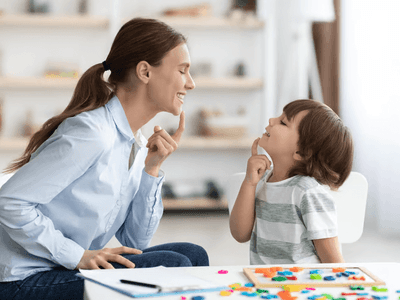
Apraxia of speech is a motor speech disorder where a child has difficulty planning and coordinating the precise movements needed to produce clear and consistent speech sounds.
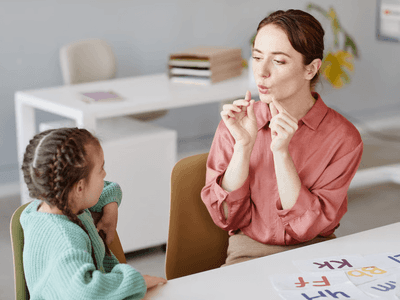
Articulation difficulties occur when a child has trouble producing certain speech sounds correctly, resulting in unclear or mispronounced words.
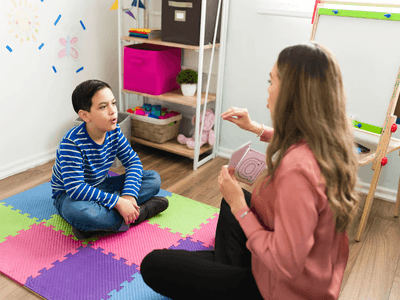
Our therapists use fluency-shaping and breathing techniques to reduce stammering and boost confidence in communication.
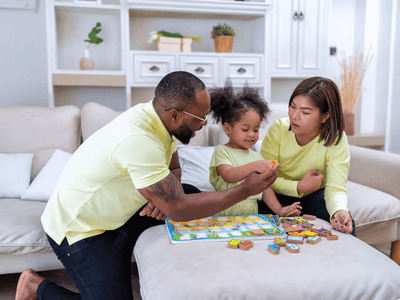
Social communication disorder is a condition in which a child has difficulty using verbal and nonverbal communication appropriately in social situations, such as understanding conversations, taking turns, or interpreting social cues.
At Jewel UAE, therapy programs are structured and individualized. We use:

Developmental language stimulation
Play-based communication training


Behaviour-supported speech learning
Oral motor strengthening


Social communication modelling
Parent-guided home strategies

Communication develops best when parents are actively involved.
We guide families on:
This helps create continuous communication learning beyond therapy hours.
Communication pathways in the brain develop rapidly in early childhood.
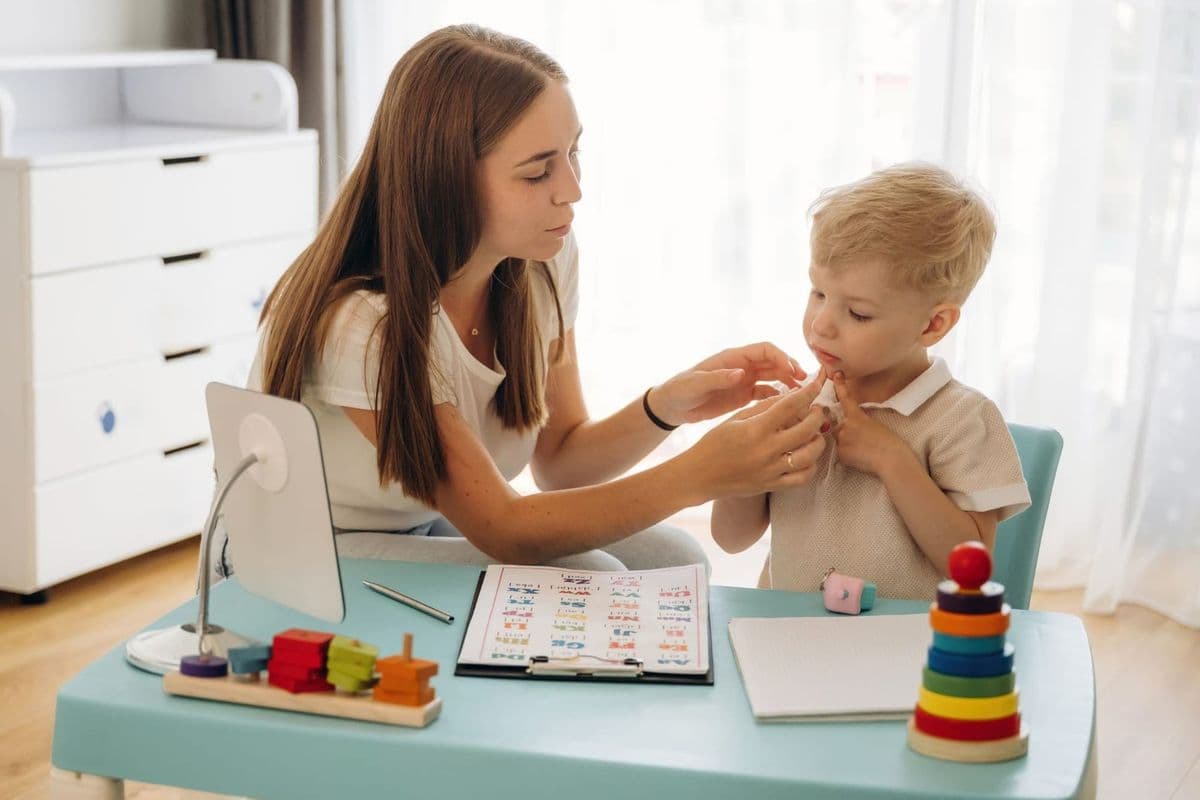
Children who receive early support often show stronger communication confidence
Many children with autism face challenges in:.
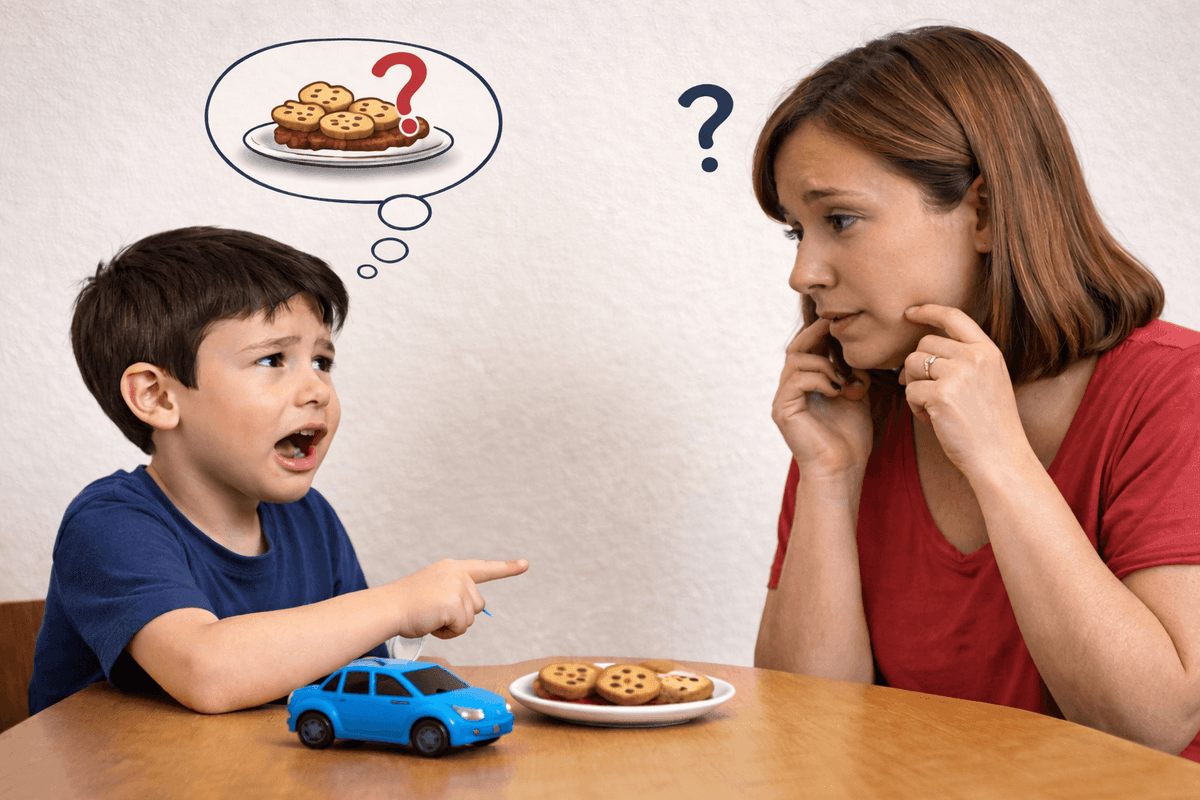
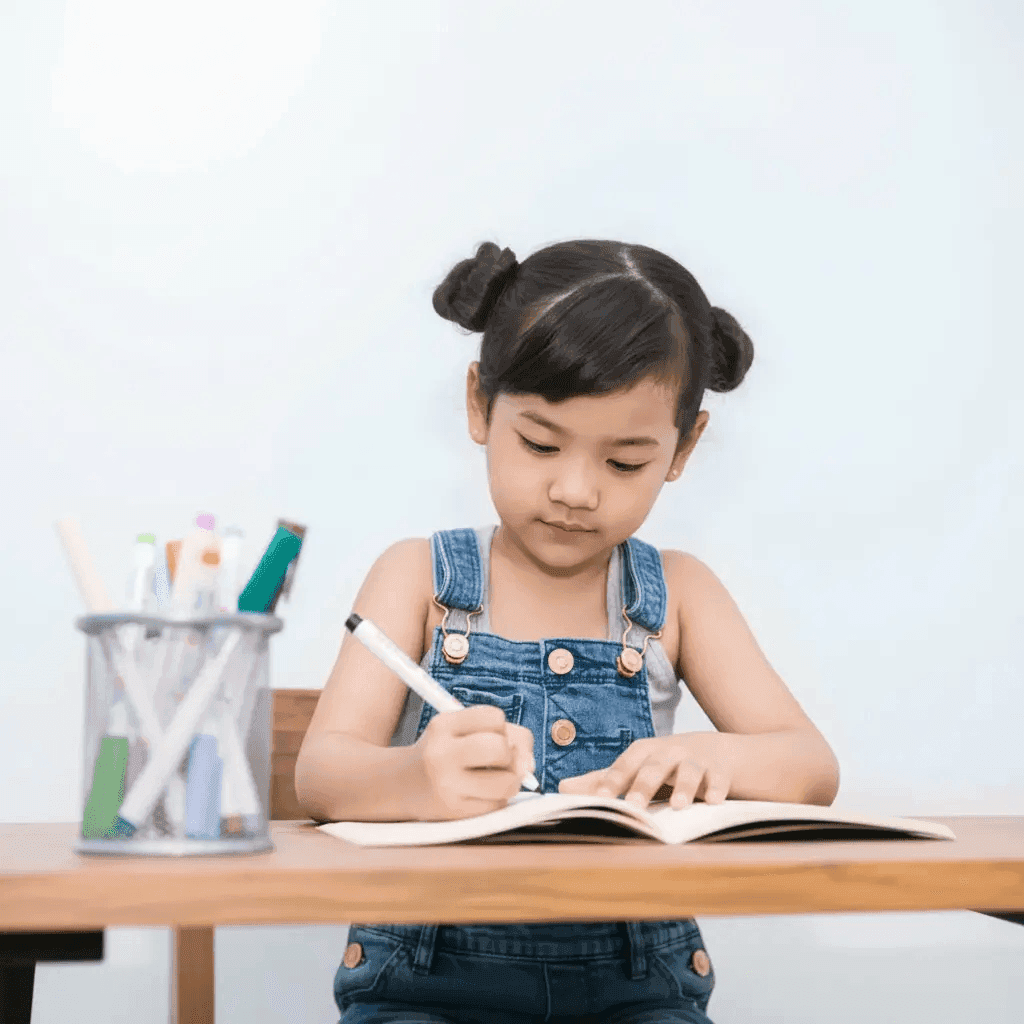
Communication develops best when parents are actively involved.
With consistent therapy, families often observe:
Families from:
seek structured communication support at Jewel UAE.
This FAQ section is designed to guide you through essential information and address your most important queries.
Speech therapy helps children improve communication skills such as speaking, understanding language, expressing needs, and social interaction. At Jewel Autism and Rehabilitation Center in BurJuman, therapy focuses on practical communication for daily life.
If your child has delayed speech, unclear pronunciation, difficulty understanding instructions, or struggles with social communication, early speech therapy intervention is recommended.
Yes, speech therapy is highly beneficial for children with autism. It supports language development, improves social communication, and helps children express their thoughts and emotions effectively.
Therapy includes evidence-based methods such as play-based therapy, articulation training, language development exercises, and alternative communication techniques tailored to each child’s needs.
The duration varies depending on the child’s condition and consistency of therapy. With regular sessions and parental support, gradual improvements in communication skills can be observed over time.
01At Jewel Autism Centre Dubai, we provide BCBA-supervised ABA therapy programs designed to help children develop essential life skills, functional communication, and independence.
 02
02At Jewel Autism Centre Dubai, we provide BCBA-supervised Behaviour Therapy programs designed to help children develop essential life skills, functional communication, and independence.
 03
03 04
04