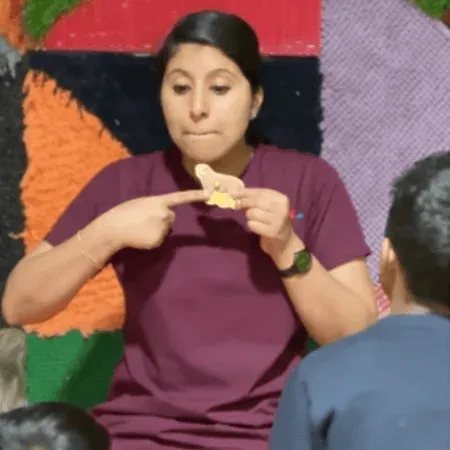
Motor-speech practice
Your child practises carefully chosen sounds, syllables and words many times in each session, moving from simple to more complex shapes as accuracy improves.
Specialist speech therapy for childhood apraxia of speech (CAS) at our centre on Sheikh Zayed Road. We help children who know what they want to say, but find it hard to plan and sequence the mouth movements to say it.

Childhood apraxia of speech is a motor speech disorder. A child’s muscles are not weak, and the problem is not hearing or understanding. The difficulty is in the brain planning and coordinating the movements of the lips, jaw and tongue in the right order, so words come out unclear or inconsistent, even when the child knows exactly what they want to say.
At Jewel Autism Centre, apraxia therapy is delivered by our speech-language therapists, who work alongside our occupational therapists and behaviour team in the same centre. Families come to us from across Dubai, including Al Barsha, Business Bay and Downtown Dubai, for a single plan that covers speech, motor and learning goals together.
Every child’s plan is built from their assessment. Most apraxia therapy goals fall into these six areas:
Goals are reviewed with you regularly and updated as your child’s speech becomes clearer.
Childhood apraxia of speech (CAS), also called verbal apraxia or developmental apraxia of speech, makes it hard for a child to plan the precise movements needed for speech. A child with CAS may say a word clearly once and then struggle with the same word a minute later. It is different from a general speech delay, where speech develops in the usual order but more slowly.
Apraxia therapy works by:
Because CAS is a motor-planning problem, frequent practice matters more than long sessions.
Parents in Dubai often hear these three terms. They need different therapy, so a correct assessment comes first.
A problem planning and sequencing speech movements. Errors are inconsistent, and longer words are harder. Therapy focuses on motor practice with cues.
Speech develops in the usual order, but later than expected. Errors are usually consistent. Therapy focuses on building sounds and vocabulary.
Weakness or poor control of the speech muscles, often linked to a neurological condition. Speech may sound slurred or soft. Therapy focuses on strength, breath and control.
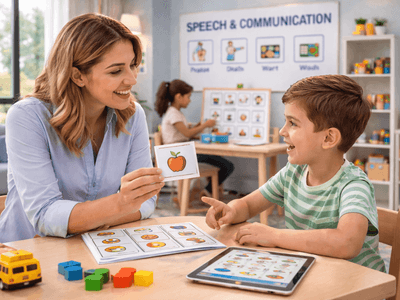
Little babbling or few sounds as a baby, and late first words.
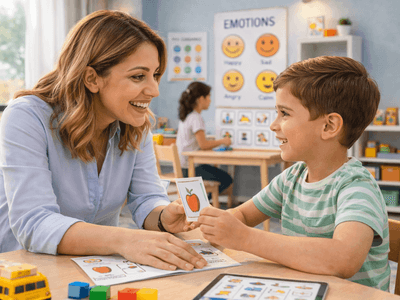
The same word sounds different each time your child tries it.
Visible searching movements of the lips, jaw or tongue before speaking.
Short words may be clear, but longer words fall apart.
Vowel sounds are distorted, not only consonants.
Songs or familiar phrases come out more easily than new sentences.
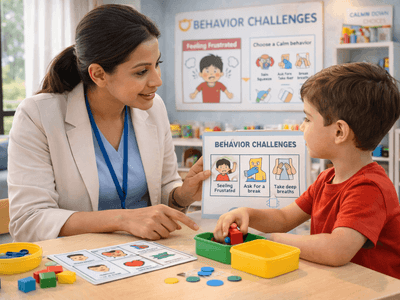
Your child understands much more than they can say, and gets upset when not understood.
Apraxia therapy at Jewel combines proven motor-speech techniques with play, so children stay motivated through frequent practice.
Your child practises carefully chosen sounds, syllables and words many times in each session, moving from simple to more complex shapes as accuracy improves.
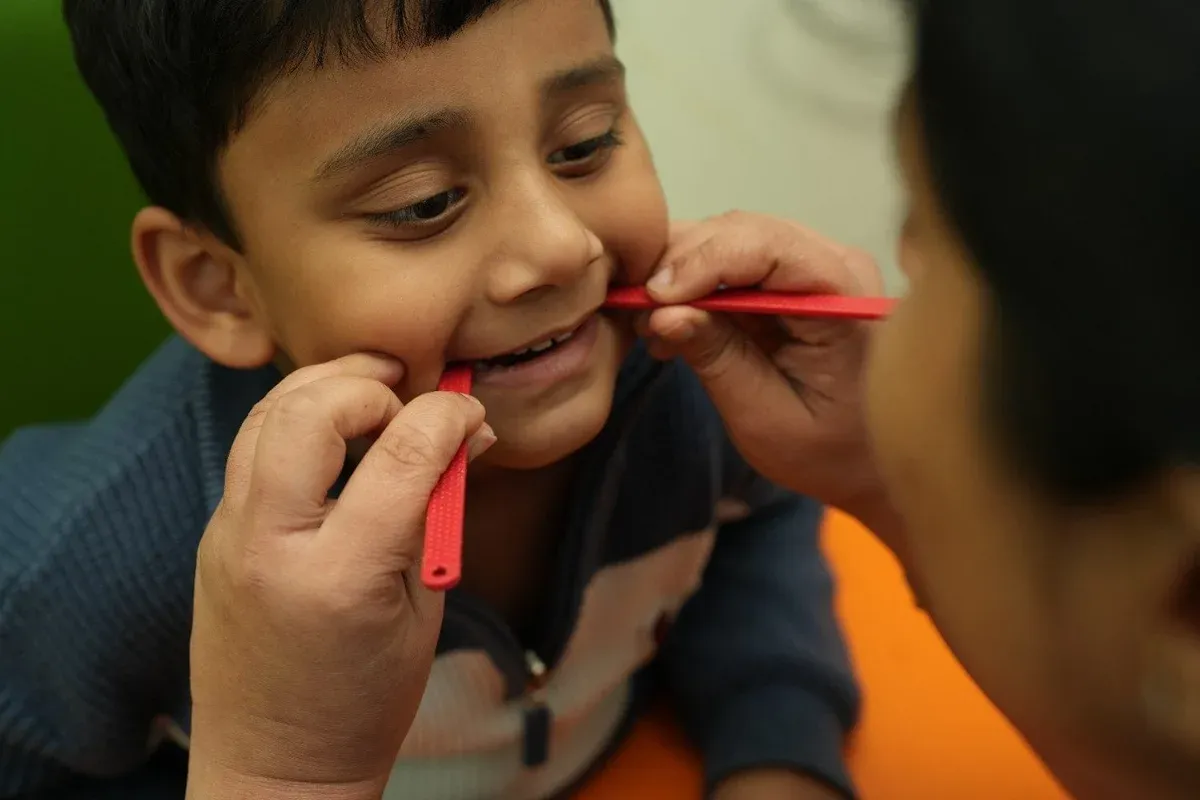
Therapists use touch cues on the face and jaw, along with visual and rhythm cues, to help your child feel and see how a sound is made. Our team also provides PROMPT therapy.
Once single words are stable, we join them into short phrases and everyday sentences, so new speech skills carry into real conversation.
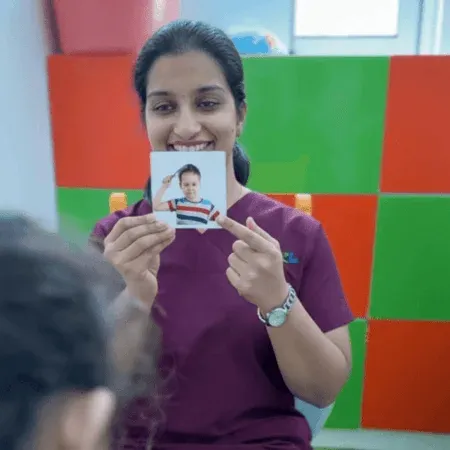
Some children use pictures, signs or a speech device while speech develops. This reduces frustration and does not stop a child from learning to talk.
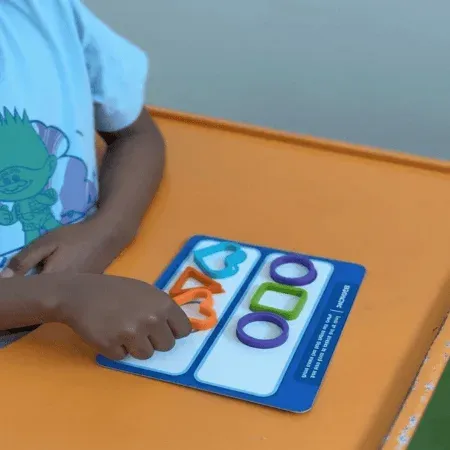
You receive a short list of practice words and simple cues to use at home every day, because frequent practice is what helps apraxia improve.

Your child’s speech therapy team
Every apraxia programme at Jewel is planned and delivered by our speech-language therapists, who assess your child, set measurable goals and track progress session by session. When a child also has autism, sensory or motor needs, our occupational therapists and behaviour team join the plan.
This means:
Your child’s therapist chooses and combines approaches based on the assessment and how your child responds.
A touch-cue approach in which the therapist gently guides the jaw, lips and tongue through the movements of each word. Learn more about our PROMPT therapy.
Structured, high-repetition practice of target words, with cues that are reduced step by step as your child gains control.
For children who also have weak oral-motor skills, oral placement therapy builds jaw, lip and tongue control that supports clearer speech.
Pictures, signs or a speech device give your child a way to communicate now, while speech therapy continues.
Many children with apraxia also need help with vocabulary and sentences. Our speech therapy team works on language alongside speech clarity.
Here is what happens from your first call to regular sessions.
You share your concerns, any previous reports and your goals with our team.
Your child’s speech-language therapist checks speech sounds, sequences, consistency and oral-motor skills to tell apraxia apart from other speech problems.
You receive written goals and a recommended session frequency.
Short, focused sessions with lots of practice, plus a home practice list.
Regular reviews with you, and goals updated as your child’s speech becomes clearer.
Children with apraxia need many chances to practise each day. Parent coaching is part of every apraxia programme at Jewel.
A short, changing list of target words and how to practise them in a few minutes a day.
How to use the same cues your child’s therapist uses, so practice at home matches therapy.
Ways to reduce pressure on talking and celebrate every attempt, so your child keeps trying.
With consistent, well-planned therapy, children with apraxia often show progress in:
Every child progresses at their own pace. Starting early and practising often make the biggest difference.
Our Goal: Clearer speech and more confident communication for every child, with parents who know how to help at home.
Answers to the questions parents in Dubai ask us most about childhood apraxia of speech.
Childhood apraxia of speech (CAS) is a motor speech disorder in which a child has difficulty planning and coordinating the movements of the lips, jaw and tongue needed for speech. The child knows what they want to say, but the words come out unclear or inconsistent. It needs specialist speech therapy rather than waiting for speech to catch up.
Apraxia is diagnosed by a speech-language therapist after a detailed speech assessment. The therapist looks at how consistent your child’s errors are, how they sequence sounds and syllables, whether longer words are harder, and how the mouth moves during speech. A hearing check and a review of development are also part of the picture.
A child with speech delay develops speech in the usual order but later than expected, and their errors are usually consistent. A child with apraxia has trouble planning speech movements, so errors are inconsistent and longer words are harder. Because the causes differ, the therapy approach is different too, which is why an accurate assessment matters.
Signs of apraxia can appear in toddlers, but a confident diagnosis is often made once a child has enough speech to assess, usually from around age 2 to 3. If your toddler has very few words, limited babbling or unclear speech, book an assessment early. Therapy can start before a final diagnosis is confirmed.
Children with apraxia usually do best with frequent, short sessions and daily home practice rather than occasional long sessions. Your child’s speech-language therapist will recommend a session frequency after the assessment, based on your child’s age, needs and progress, and adjust it as speech improves.
Apraxia therapy is usually a longer process than therapy for a simple speech delay, often continuing over months or years. Progress depends on how severe the apraxia is, how often your child practises and whether other needs are present. Your therapist reviews progress with you regularly and updates the goals as your child improves.
Apraxia does not usually resolve on its own, because it is a problem with planning speech movements. With the right speech therapy and regular practice, many children make good progress and develop clear, functional speech. Some children continue to need support for longer, so early therapy gives the best start.
Jewel Autism Centre is on Sheikh Zayed Road (Galadari Mazda Showroom building, 1st floor), easy to reach from Al Barsha, Al Quoz, Business Bay, Downtown Dubai, BurJuman, JLT, JVT and Dubai Investment Park. We are open Monday to Saturday. Call +971 54 782 9954 or WhatsApp us to book an apraxia assessment.
We have one centre, on Sheikh Zayed Road (Galadari Mazda Showroom building). Families come to us for apraxia and speech therapy from across Dubai, including:
Our centre is a short drive along Sheikh Zayed Road from Al Barsha, Al Quoz, Business Bay and Downtown Dubai, and easy to reach from JLT, JVT, BurJuman and DIP.
 01
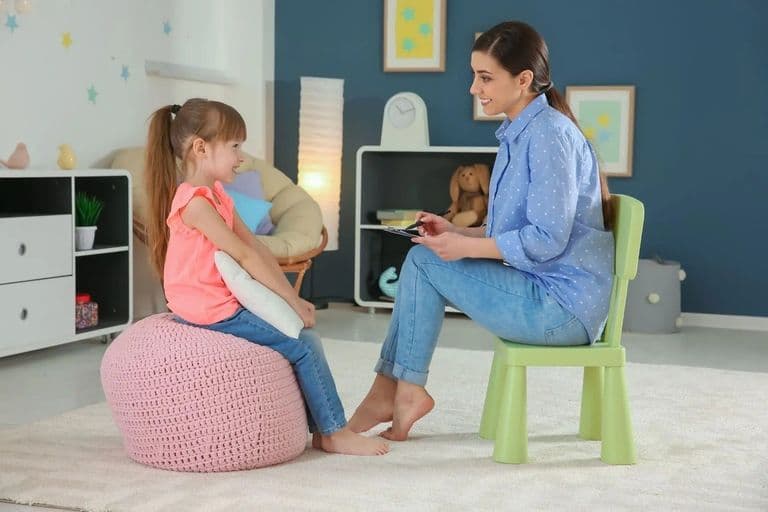
Supports children with speech clarity, language development and social communication, from first words to confident conversation.
 02
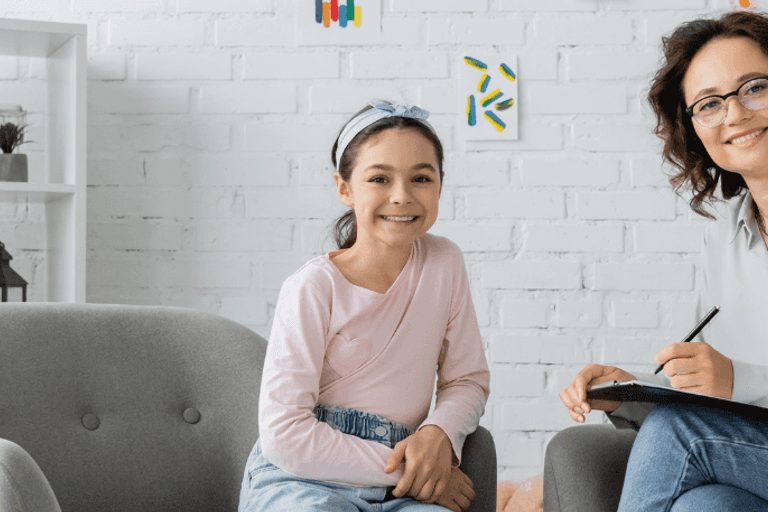
A tactile-cueing approach to speech in which the therapist gently guides jaw, lip and tongue movements to help children produce clearer sounds and words.
 03
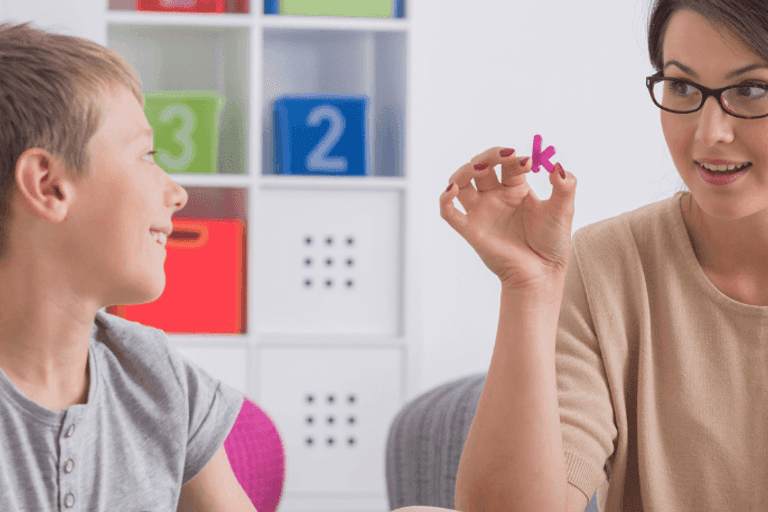
Structured oral-motor techniques that build jaw, lip and tongue control to support clearer speech and safer feeding.
 04
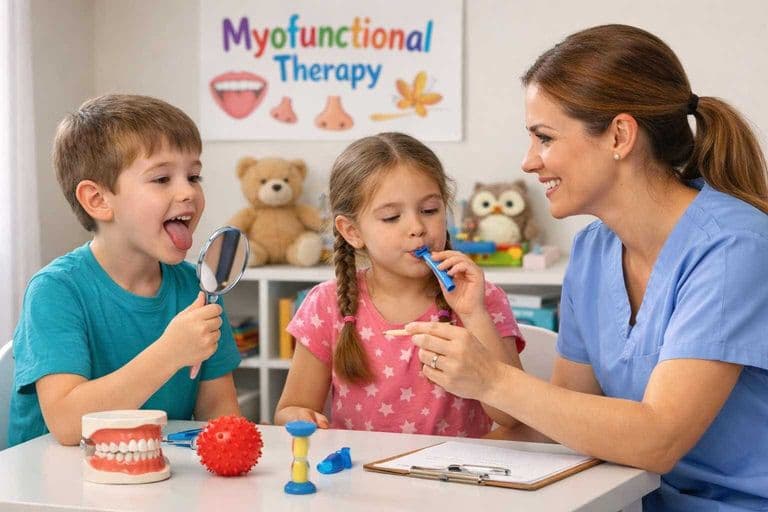
Exercises for the tongue, lips and facial muscles that support healthy breathing habits, chewing, swallowing and speech.