 01
01ABA Therapy
At Jewel Autism Centre Dubai, we provide BCBA-supervised ABA therapy programs designed to help children develop essential life skills, functional communication, and independence.
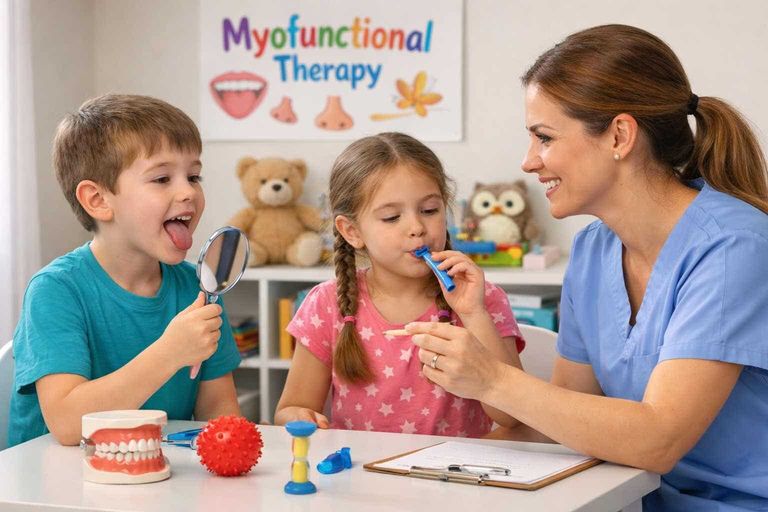
At Jewel Autism Centre, our Myofunctional Therapy in Al Barsha focuses on identifying and correcting dysfunctional oral muscle patterns that impact breathing, chewing, swallowing, and speech development in children.
Myofunctional disorders are often the hidden cause of speech delay, mouth breathing, drooling, feeding difficulties, orthodontic problems, and sleep-disordered breathing in children.
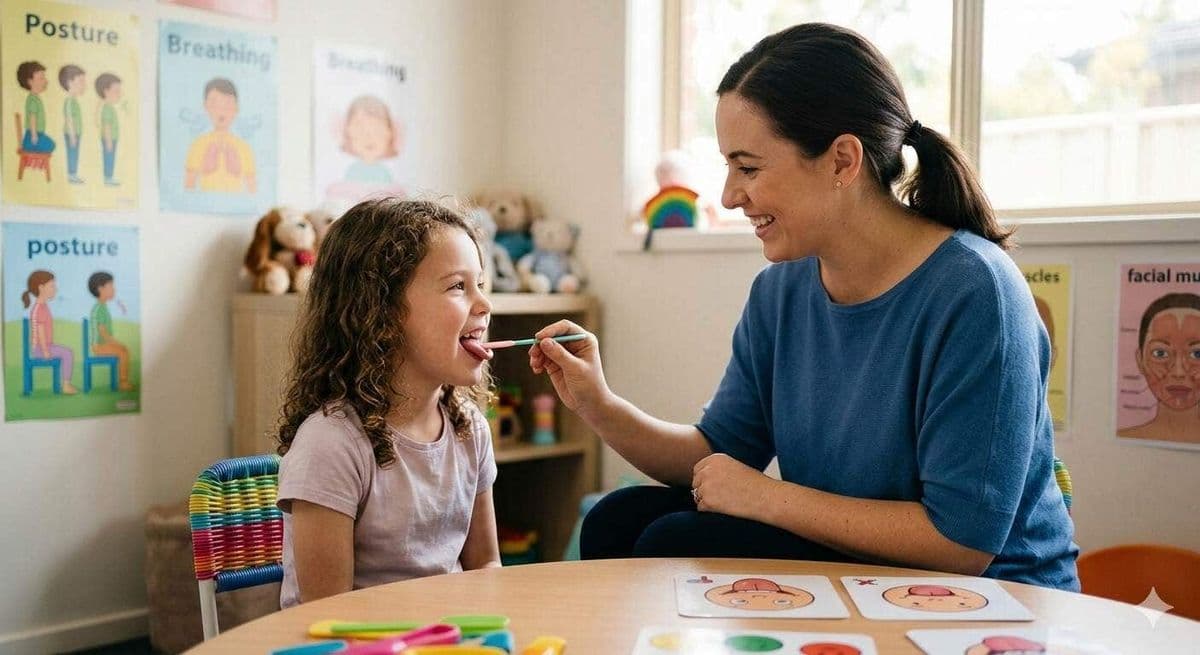
Many children develop incorrect oral habits that impact overall development. These habits often go unnoticed in early childhood but can gradually influence how a child speaks, eats, breathes, and sleeps. Without early support, these patterns may contribute to long-term challenges in physical growth and daily functioning
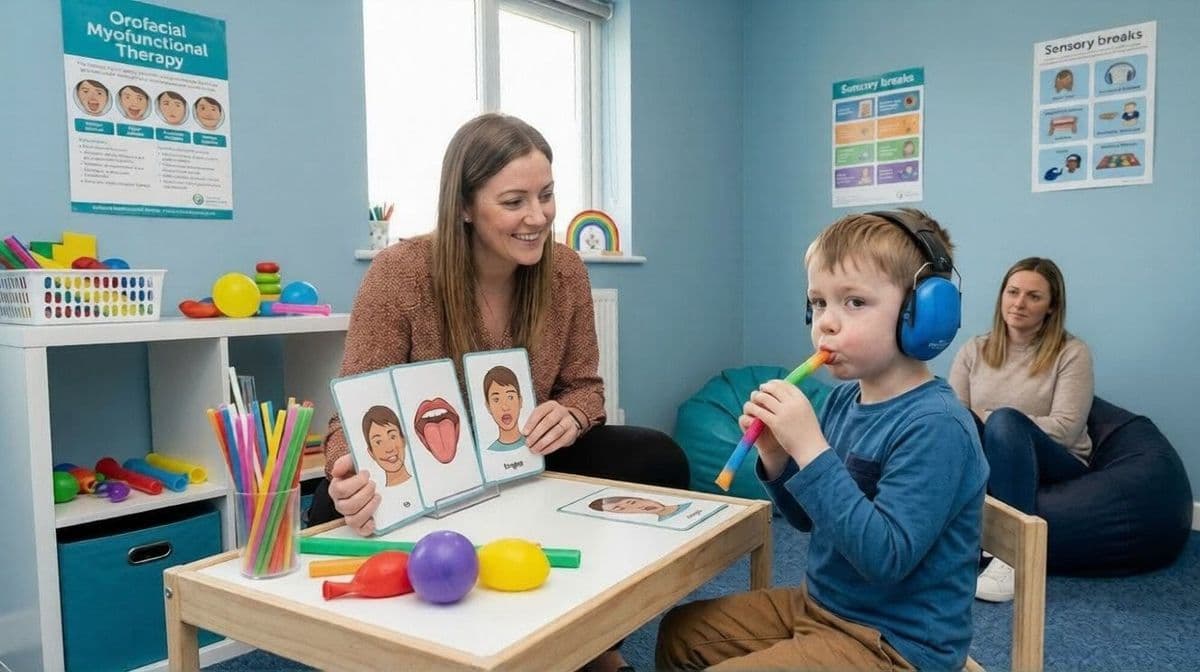
These include:
These patterns can affect:
At Jewel Barsha, our Myofunctional Therapy supports children with:
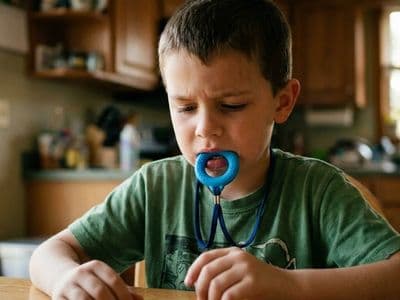
Persistent oral habits such as mouth breathing, thumb sucking, tongue thrust, and open mouth posture can interfere with proper muscle development and affect a child’s speech, breathing, and facial growth over time. Early intervention helps gently correct these patterns before they lead to long-term dental or developmental concerns.
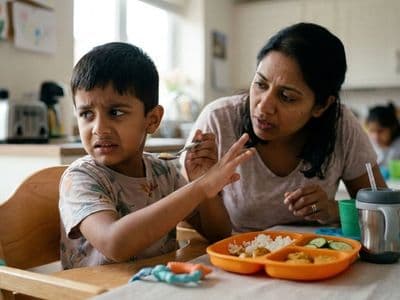
Feeding difficulties in children often result from weak oral muscles, poor coordination, or improper tongue function, leading to issues such as chewing difficulty, poor bolus control, drooling, and gagging. Our specialized Myofunctional Therapy in Dubai helps improve oral strength, muscle control, and swallowing for better nutrition and development.
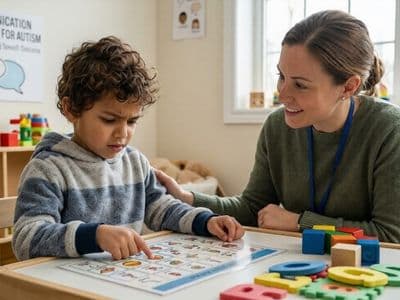
Speech concerns in children are often connected to improper tongue posture, weak oral muscles, or incorrect swallowing patterns, which may lead to slurred speech, articulation errors, lisping, and poor sound clarity. Myofunctional Therapy helps improve muscle coordination and oral placement, supporting clearer speech and communication skills.
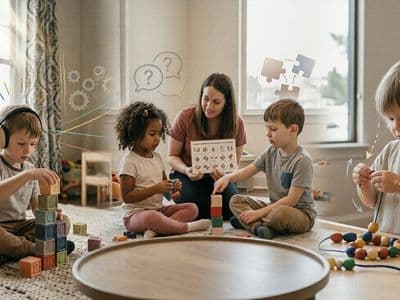
Structural and functional oral issues can affect how a child breathes, speaks, eats, and develops facial balance over time, including low tongue posture, lip incompetence, weak oral tone, and poor jaw stability. Myofunctional Therapy helps strengthen oral muscles and improve tongue, lip, and jaw function for healthy growth and development.

Children with developmental or neurological conditions such as Autism Spectrum Disorder, ADHD, Developmental Delay, Sensory Processing Disorder, and sleep-disordered breathing may experience oral muscle dysfunction and persistent oral habits. Myofunctional Therapy helps improve muscle coordination, breathing, and overall functional development.
Parents in Barsha should be aware of early signs of oral muscle dysfunction that can impact a child’s speech, feeding, breathing, and facial development. Common indicators include an open mouth resting posture, snoring, frequent drooling, messy eating habits, tongue thrusting against the teeth, lisping during speech, difficulty chewing, getting tired while eating, and mouth breathing during sleep.
Unlike general therapy centres, we use a structured multidisciplinary approach.
Speech therapy works alongside myofunctional therapy to improve tongue placement, sound production, and articulation accuracy. This integration supports clearer communication and long-term speech development.
Feeding therapy addresses chewing strength, oral coordination, and safe swallowing patterns. Combined with myofunctional therapy, it enhances eating efficiency and nutritional intake.
Occupational therapy supports sensory regulation and overall muscle coordination that influence oral function. This collaboration helps children develop better body awareness and postural stability for improved oral control.
Behaviour therapy helps children build consistent habits and follow structured oral exercise routines. It also supports reducing persistent oral habits such as thumb sucking or mouth breathing.
Improves lip seal, tongue stability and chewing strength. Targeted exercises help build endurance and coordination of the oral muscles. Stronger muscles support clearer speech, efficient feeding, and proper facial development.
Supports correct swallowing and speech production. We train children to maintain proper tongue posture at rest and during function. Correct positioning reduces strain on the jaw and improves articulation accuracy.
Eliminates tongue thrust habits. Therapy focuses on retraining improper swallowing patterns that may affect teeth alignment and speech clarity. Establishing a mature swallow pattern supports long-term dental and facial stability.
Encourages nasal breathing. We help children shift from mouth breathing to healthy nasal breathing habits. Proper breathing supports better sleep quality, focus, and overall oxygen intake.
Improves chewing and swallowing safety. Structured exercises enhance bolus control and oral timing. This reduces gagging, fatigue during meals, and feeding-related stress.
Supports oral-facial alignment. Body posture directly impacts jaw position and tongue function. Improving postural control promotes better oral stability and balanced facial growth.
Children’s facial and oral structures are still developing. During these early years, muscle patterns and breathing habits can either support healthy growth or contribute to long-term structural concerns. Addressing oral dysfunction early allows us to guide proper development before habits become deeply established.
Early therapy helps:
This is especially important for children already receiving:
When integrated with these therapies, Myofunctional Therapy enhances overall outcomes by addressing the underlying muscle function that supports speech, feeding, breathing, and developmental progress.
Children with autism often show differences in oral muscle coordination and sensory processing that can impact daily functioning. These challenges may influence how a child eats, speaks, breathes, and manages saliva control.
Children with autism often show:
This aligns with Jewel’s holistic developmental model — which your child has already benefited from through therapy progress at our Kochi centre. By addressing oral muscle function alongside existing therapies, we ensure more complete and functional developmental support.
Myofunctional Therapy helps improve:
Strengthening these foundational skills enhances your child’s confidence, communication potential, and overall quality of life.
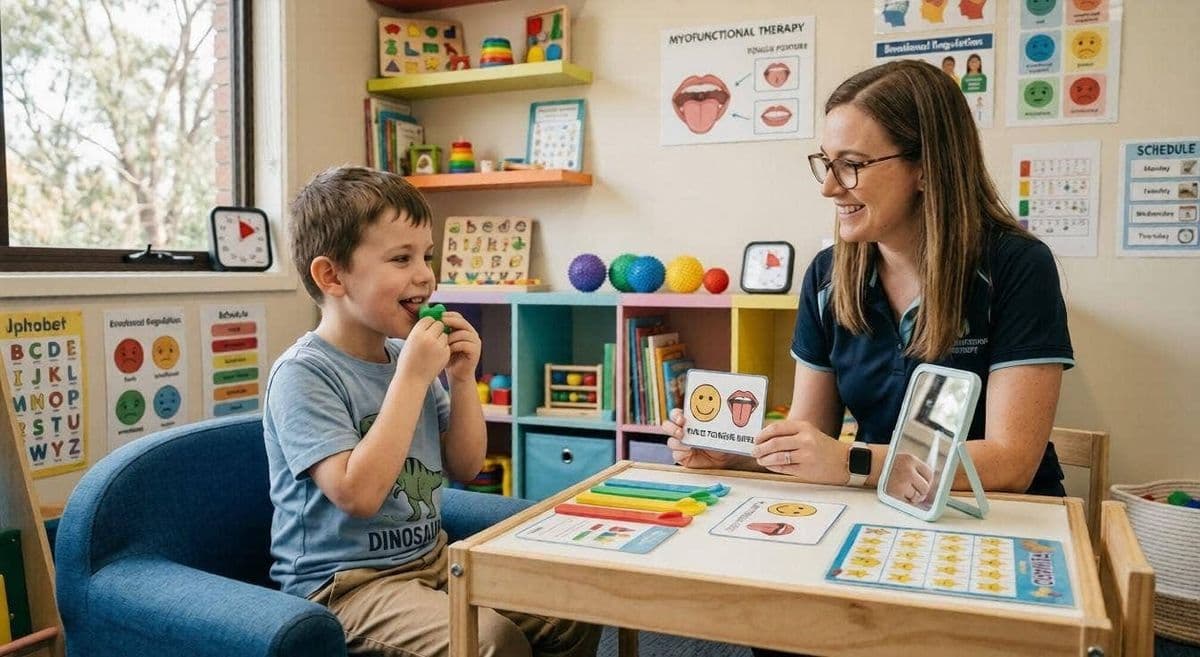
We conduct a detailed evaluation of your child’s oral muscle function and structural development to understand how oral habits may affect speech, feeding, breathing, and facial growth. This assessment focuses on key areas such as tongue posture, lip strength, breathing patterns, and chewing ability.
We identify the underlying causes contributing to dysfunctional oral patterns. This ensures that therapy targets the root issue rather than just the visible symptoms.
Each therapy plan is personalized based on your child’s developmental profile and clinical findings. Our goals are designed to integrate smoothly with any ongoing speech, feeding, or behavioural therapies.
Through guided exercises and structured muscle training, we gradually correct improper oral habits. Repetition and consistency help establish healthier, long-term functional patterns.
We actively involve parents by providing practical home strategies and exercise guidance. This ensures consistent reinforcement beyond the therapy room and supports lasting, meaningful progress.
Myofunctional Therapy supports healthy oral muscle development and improves essential daily functions such as speaking, eating, and breathing. With consistent intervention, children often show noticeable improvements in both functional skills and overall confidence.
Children who receive therapy show:
These improvements not only enhance day-to-day comfort but also contribute to long-term dental health, facial balance, and overall developmental progress.
Parents across the UAE choose Jewel Al Barsha for our structured, evidence-based approach and child-centred care model. Located in Al Barsha, we focus on long-term functional outcomes while ensuring every child receives personalised attention within a supportive and nurturing environment.
Our global clinical model connects expertise from:
Jewel India & UAE
Ensuring continuity for families who already trust Jewel’s outcomes. This cross-location collaboration allows us to maintain consistent therapy standards and provide seamless developmental support for children transitioning between centres.
This FAQ section is designed to guide you through essential information and address your most important queries.
Myofunctional Therapy in Al Barsha focuses on training oral muscles to improve breathing, chewing, swallowing, and speech patterns in children.
No, Myofunctional Therapy in Al Barsha also supports speech development, feeding skills, and proper breathing habits.
Yes, incorrect tongue posture and oral muscle weakness can affect speech clarity, and therapy in Al Barsha helps improve articulation.
Yes, Myofunctional Therapy in Al Barsha is especially beneficial for children with conditions like autism, helping with drooling, feeding, and oral control.
Early intervention in Al Barsha provides the best outcomes, especially when signs like mouth breathing, drooling, or speech delay are noticed.
01At Jewel Autism Centre Dubai, we provide BCBA-supervised ABA therapy programs designed to help children develop essential life skills, functional communication, and independence.
 02
02At Jewel Autism Centre Dubai, we provide BCBA-supervised Behaviour Therapy programs designed to help children develop essential life skills, functional communication, and independence.
 03
03 04
04