Movement and reflex assessment
Our occupational therapists observe posture, balance, coordination and specific reflex patterns to understand what is affecting your child’s movement.
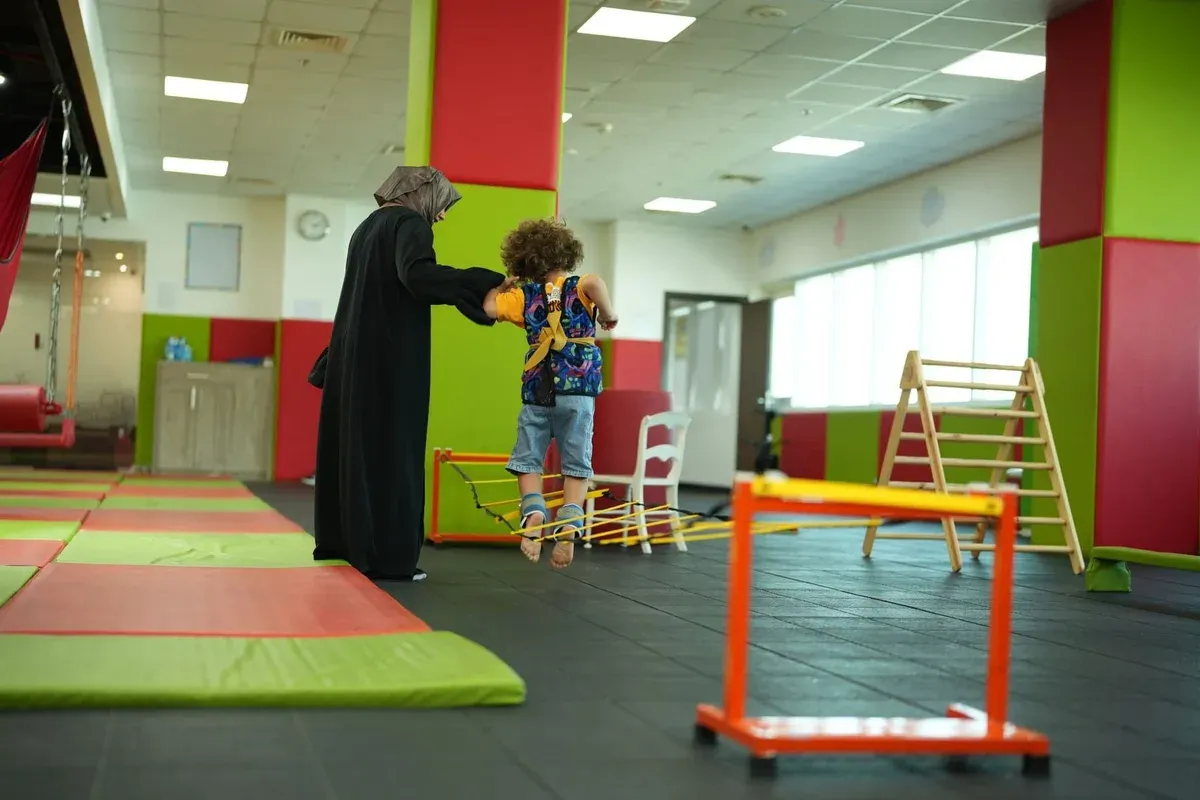
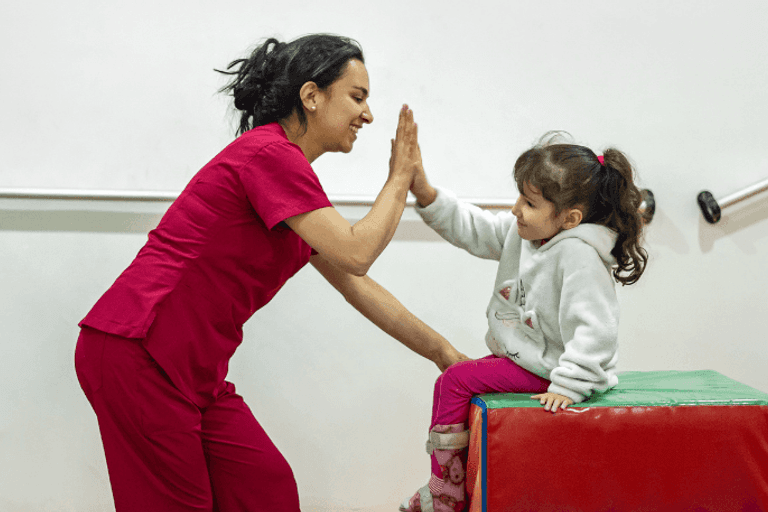
Movement-based therapy for children with retained primitive reflexes, led by our occupational therapists at our centre on Sheikh Zayed Road. Gentle, structured exercises that may help with coordination, posture, attention and everyday skills.

Every baby is born with primitive reflexes: automatic movements such as the startle reflex that help with survival and early development. As the brain matures, these reflexes are normally “integrated” in the first year or so and replaced by controlled, voluntary movement. In some children, signs of these reflexes remain for longer than expected. This is often seen alongside autism, ADHD, sensory processing differences and developmental delays.
At Jewel Autism Centre, reflex integration therapy is part of our occupational therapy service. Our occupational therapists assess movement, posture and motor control, and use reflex integration exercises within a wider plan that may include sensory integration and fine motor work. Families from Al Barsha, Al Quoz, Business Bay, Downtown Dubai and across the city come to us for this support.
Each programme is based on your child’s assessment. Goals usually come from these six areas:
Goals are reviewed regularly so you can see how your child’s movement and daily skills are changing.
Primitive reflexes are automatic movement patterns that start before birth. Each one has a job in early development, such as helping a baby turn their head, grasp or react to sudden change. When a reflex is still active after the age it would usually fade, it is called a retained primitive reflex. It may make some movements and skills harder work, because the child’s body is still reacting automatically when it needs controlled movement.
Reflex integration therapy works by:
Exercises are short, playful and adjusted to your child’s age and comfort.
Our occupational therapists look at several reflexes. These three are among the ones most often linked with movement and learning difficulties in children:
A strong startle response to sudden noise, touch or movement. When it stays active, children may seem easily startled, anxious or sensitive to noise and change.
When the head turns, the arm on that side wants to straighten. If retained, it may affect crossing the midline, hand-eye coordination, reading and handwriting.
Links head movement with arm and leg position. If retained, it may affect sitting posture, W-sitting, crawling and copying from the board.
Often sits with legs in a “W” shape and finds other sitting positions tiring.

Slumps at the table, leans on one arm or struggles to sit upright for long.
Trips, bumps into things or finds running, jumping and climbing hard.
Overreacts to sudden noises, touch or changes, and takes time to settle.
Switches hands mid-task or turns the paper instead of reaching across.
Grips the pencil awkwardly, presses hard or tires quickly when writing.
Finds it hard to stay still, often moving, rocking or changing position.
Reflex integration is one part of your child’s occupational therapy plan, combined with the other support they need.
Our occupational therapists observe posture, balance, coordination and specific reflex patterns to understand what is affecting your child’s movement.
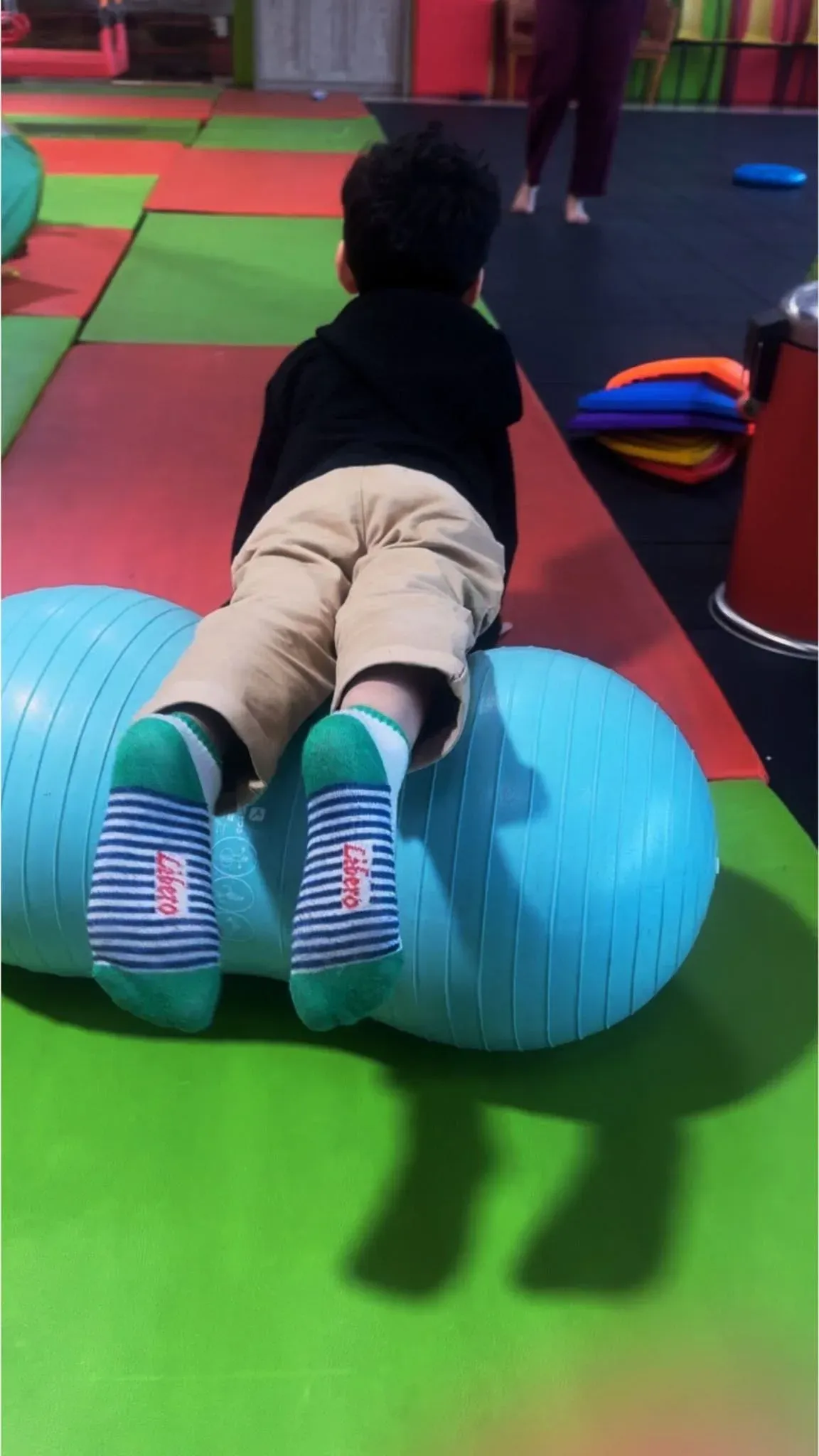
Gentle, repeated movements, done slowly and with control, that are designed to support the development of mature movement patterns.
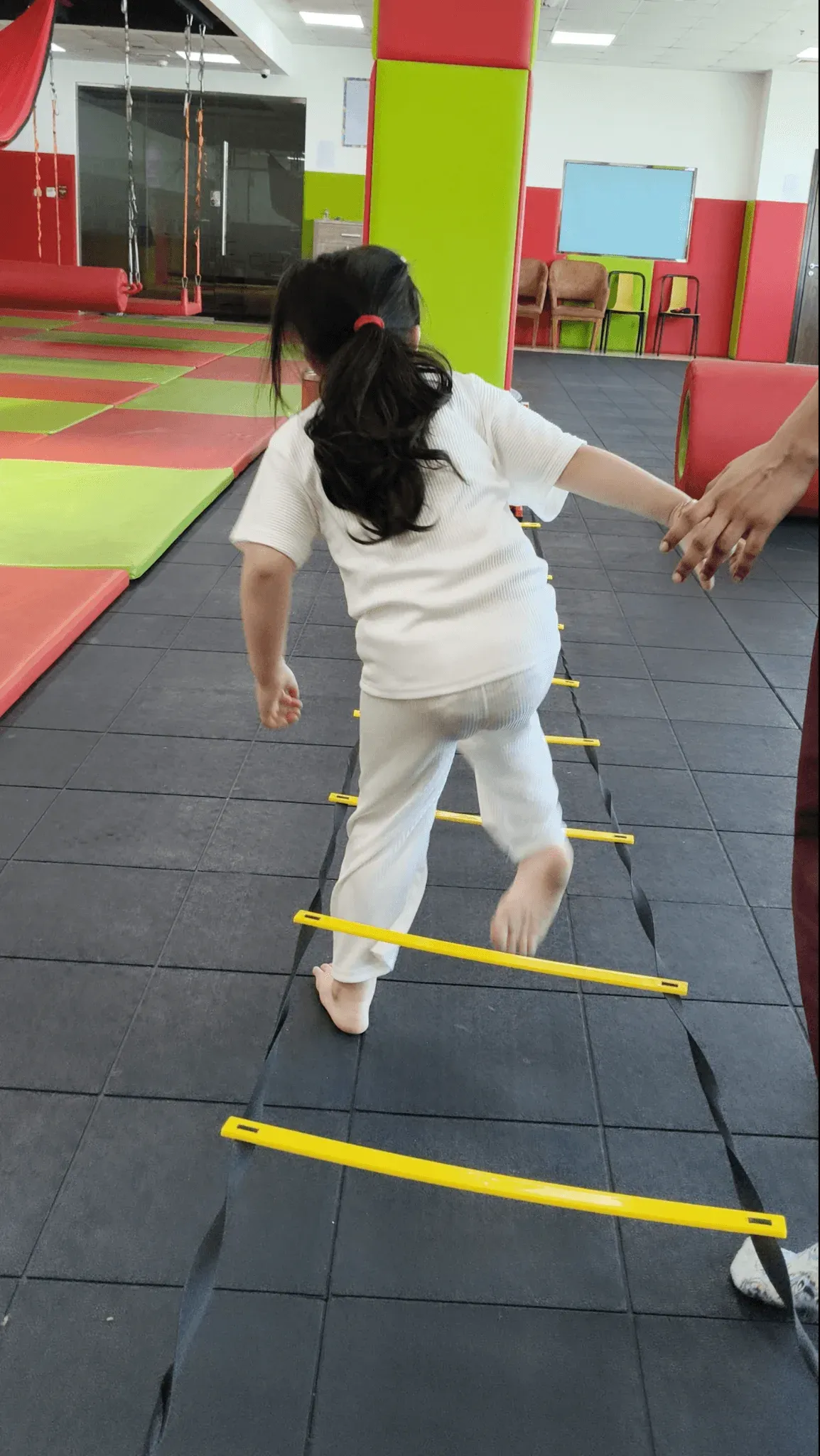
Activities that build the core stability children need for sitting, standing, writing and paying attention in class.
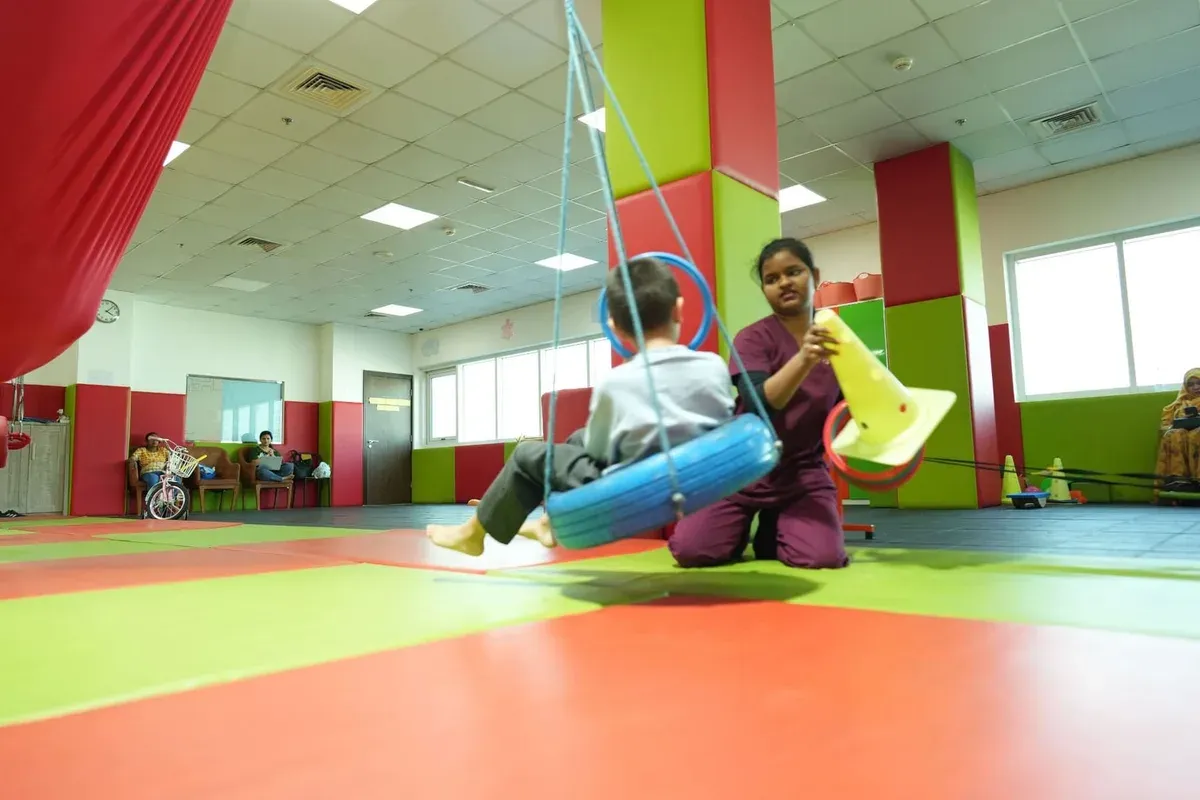
Where your child also has sensory processing differences, our Sensory Integration Therapy is combined with reflex work.
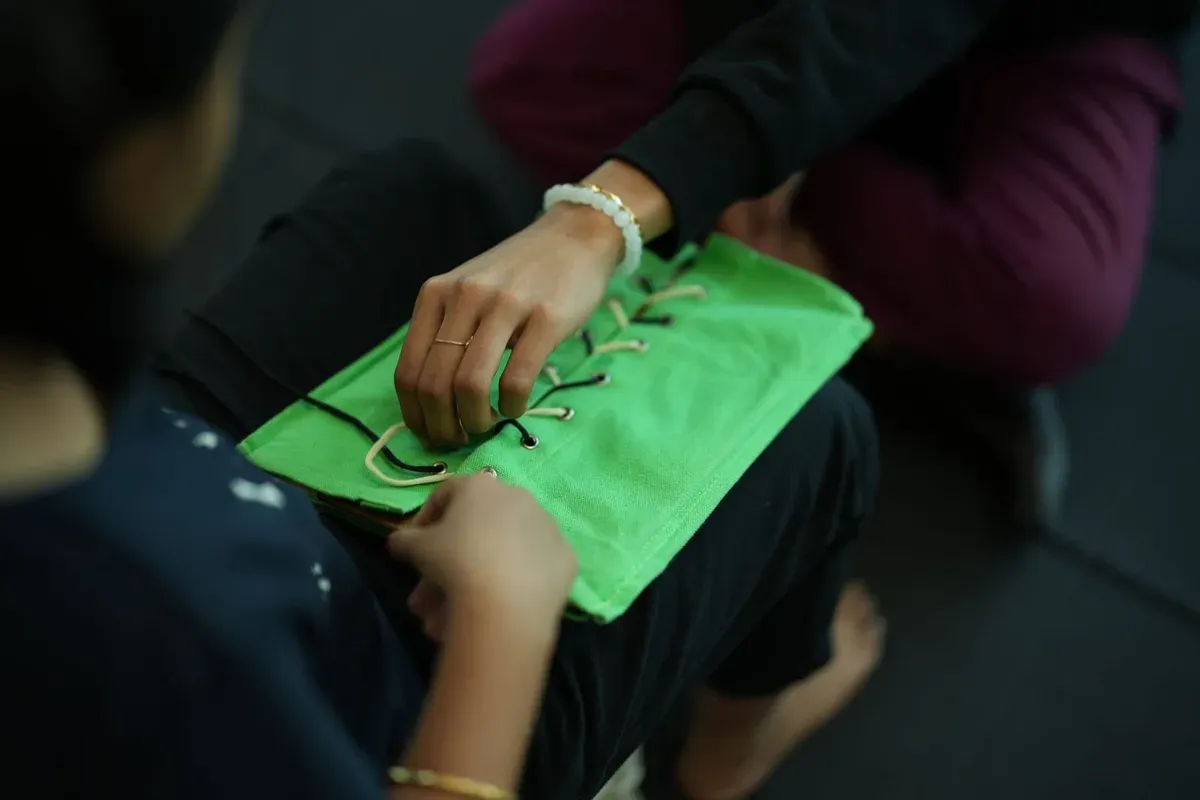
Work on grip, hand control and crossing the midline, so new movement patterns carry over into writing and daily tasks.
Part of our occupational therapy service
Reflex integration therapy at Jewel is planned and delivered by our occupational therapists, who are trained in child development, motor skills and sensory processing. They look at the whole child, not only individual reflexes, and choose the approach that best fits your child’s needs and goals.
This means:
Programmes are combined to fit your child’s age, needs and daily routine.
Individual occupational therapy sessions that include reflex integration exercises alongside motor and sensory goals.
A short daily routine of movements for you to do with your child at home, shown and practised in session first.
For children who also have sensory processing differences, reflex work is combined with sensory integration activities.
Posture, pencil control and coordination work for children preparing for nursery, KG or school.
Regular reassessment of movement, posture and daily skills, with the programme updated as your child progresses.
Here is what happens from your first call to regular sessions.
You share your concerns about movement, posture, attention or daily skills with our team.
An occupational therapist assesses motor skills, balance, posture and reflex patterns.
You receive clear goals and a plan that combines reflex work with other OT goals.
Regular sessions with gentle, structured movement exercises and play-based activities.
Daily home exercises, plus regular reviews to track progress and update the plan.
Reflex integration exercises work best when they are repeated little and often. Parents play a big part, so every programme includes parent coaching.
We show you each movement and check you are both comfortable with it.
A few minutes of exercises that fit into your family’s day.
Easy ways to notice changes in posture, coordination and daily skills.
As part of a wider occupational therapy plan, families often notice changes in:
Every child responds differently. Our therapists will talk you through realistic goals after the assessment.
Our Goal: Confident, coordinated movement that makes daily life, play and learning easier for your child.
Answers to the questions parents in Dubai ask us most about primitive reflexes and reflex integration.
Reflex integration therapy is a movement-based approach that uses gentle, repeated exercises to support children whose primitive reflexes are still active beyond the expected age. At Jewel, it is delivered by occupational therapists as part of a wider plan to improve posture, balance, coordination and everyday motor skills.
Primitive reflexes are automatic movements babies are born with, such as the startle (Moro) reflex. They usually fade in the first year as the brain matures. When signs of them remain later in childhood, they are called retained primitive reflexes and may make movement, posture and some learning tasks harder.
Common signs include W-sitting, slumped posture, clumsiness, poor balance, a strong startle response, difficulty crossing the midline, messy handwriting and constant fidgeting. These signs can have other causes too, so an assessment by an occupational therapist is the best way to understand what is behind them.
Reflex integration therapy at Jewel is provided by our occupational therapists. They assess your child’s movement, posture, motor skills and sensory needs, then include reflex integration exercises in a personalised occupational therapy plan alongside sensory and fine motor goals where needed.
Research on reflex integration programmes is still limited and results vary. For this reason, our occupational therapists use reflex exercises as one part of a wider, goal-based occupational therapy plan, and track progress in real daily skills such as posture, coordination and handwriting rather than relying on reflex work alone.
Retained reflex signs are often seen in children with autism, ADHD and sensory processing differences. Reflex integration exercises may help some children with posture, coordination and body control as part of occupational therapy. It is not a treatment for autism or ADHD itself, and each child responds differently.
The length of therapy depends on your child’s age, needs and how consistently home exercises are done. Many programmes run over several months, with regular reviews. Our occupational therapists will share realistic goals and timelines after the assessment and adjust the plan as your child progresses.
Jewel Autism Centre is on Sheikh Zayed Road (Galadari Mazda Showroom building, 1st floor), easy to reach from Al Barsha, Al Quoz, Business Bay, Downtown Dubai, BurJuman, JLT, JVT and Dubai Investment Park. We are open Monday to Saturday. Call +971 54 782 9954 or WhatsApp us to book an assessment.
We have one centre, on Sheikh Zayed Road (Galadari Mazda Showroom building). Families come to us for reflex integration and occupational therapy from across Dubai, including:
Our centre is a short drive along Sheikh Zayed Road from Al Barsha, Al Quoz, Business Bay and Downtown Dubai, and easy to reach from JLT, JVT, BurJuman and DIP.
 01
Helps children build the motor, sensory and self-care skills they need for everyday life — from handwriting and dressing to attention and self-regulation.
 02
Helps children who are over- or under-responsive to sound, touch or movement to process sensory input and stay calm and engaged.
 03
Prepares young children for the classroom by building attention, communication, routines, self-care and early learning skills.
 04
A parent-guided, play-based approach that builds emotional connection, engagement and communication through everyday interactions.