What Type of Therapy Is Best for ADHD?
No single therapy is best for everyone with ADHD. See what works for kids, teens and adults, from CBT to parent training, and how to choose.
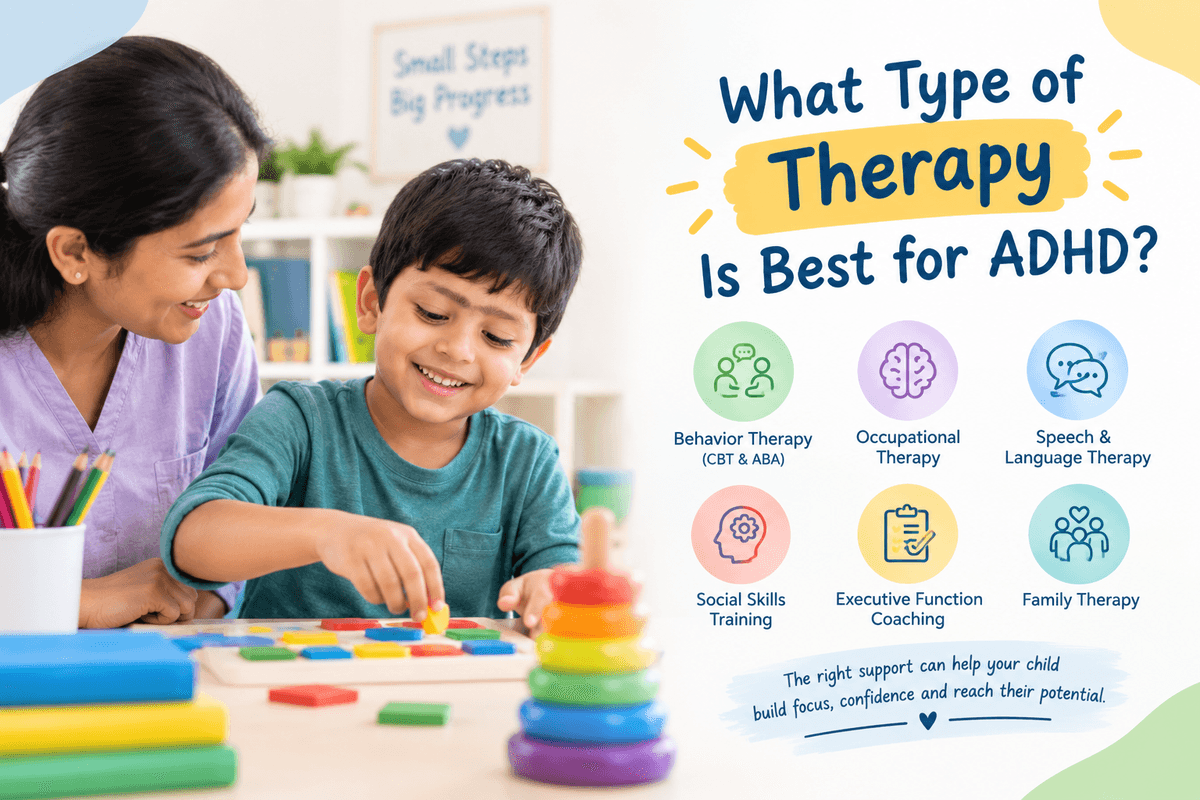
Search this question and you usually end up with ten open tabs and more confusion than you started with. CBT? Behavior therapy? Neurofeedback? And do you need medication on top of it all?
Here's the short version. There's no single "best" therapy for ADHD. The right fit depends on age, symptoms and what's making daily life hardest right now. But the research does point in clear directions, and once you know them, choosing gets a lot easier.
The Quick Answer, by Age
- Children under 6: Parent training in behavior management, tried before medication. The CDC says it can work as well as medication in young children.
- Children 6 to 12: Behavior therapy (parent training, classroom strategies) combined with medication.
- Teens: Behavior therapy and skills training, often alongside medication.
- Adults: Cognitive behavioral therapy (CBT), often with medication, plus family or couples therapy when relationships are under strain.
Behavior Therapy: The Go-To for Children
Behavior therapy teaches kids, and just as importantly their parents, how to build better habits. The CDC lists several forms: parent training in behavior management, one-to-one work with the child, classroom strategies, peer-focused interventions and organizational skills training.
Why does the parent piece matter so much? Because children spend most of their time at home. Parents learn to set clear routines, reward the behavior they want to see and respond calmly to the rest. At a centre like Jewel Autism Centre in Dubai, behavior therapy is built around positive reinforcement and emotional regulation, while group therapy gives children a space to practice with peers.
CBT: The Most-Studied Option for Adults
CBT is a structured type of counseling. It teaches practical skills for managing behavior and helps you spot and change unhelpful thinking patterns. For adults with ADHD, that can mean better time management, fewer impulsive decisions, stronger problem-solving, a healthier self-image and more control over your temper. It can also help with depression or substance misuse if those show up alongside ADHD.
The evidence backs it up. A large review of treatment trials found CBT was the most-tested non-drug approach, with significant drops in core symptoms. A 2025 meta-analysis also ranked it as the best non-medication option for core symptoms and for co-occurring depression and anxiety.
One honest caveat: a big analysis of 113 adult trials found therapy benefits were real but based on a small body of evidence, and clinicians rated them more positively than patients did. So CBT works best as part of a plan, not as a magic fix.
Family and Couples Therapy
Forgotten appointments, missed deadlines and impulsive choices can wear down even the most patient partner or coworker. Family therapy and couples counseling help loved ones understand ADHD and improve communication and problem-solving. Mayo Clinic notes that classes where family members learn about ADHD can noticeably improve relationships.
What About Other Therapies?
- Mindfulness. Studies suggest it may help mood and attention in adults. Start with short sessions and build up.
- DBT and cognitive remediation. Early results look promising, but the research is smaller.
- Neurofeedback and cognitive training. Results are mixed. Large reviews in children found weak or low-certainty evidence, so don't swap them in for proven treatments.
- Diets, supplements and alternative medicine. There's little research showing they reduce ADHD symptoms. Talk to your doctor first.
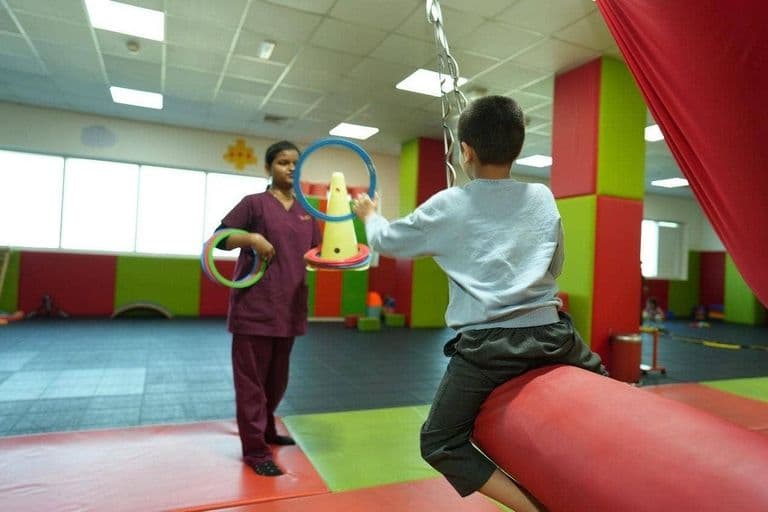
- Sensory and occupational support. Some children also struggle with sensory processing, coordination or emotional regulation. Options like sensory integration therapy and occupational therapy may help alongside behavior therapy.
Therapy or Medication? Often, Both
Mayo Clinic says standard ADHD treatment combines medication, education, skills training and counseling, and that the combination is often the most effective. None of it cures ADHD, but together it can manage many symptoms. Studies generally find medication shifts symptoms more in the short term, while therapy builds skills and helps with the life around the symptoms. That's a decision to make with your doctor, not a contest.
How to Choose the Right Therapy
- Start with a proper assessment. No single test confirms ADHD. A good evaluation includes a physical exam, symptom history and rating scales, and it rules out lookalikes like anxiety, thyroid problems or sleep disorders.
- Match therapy to your biggest problem. Chaos at home? Parent training. Falling behind at school? Classroom strategies and organizational skills. Disorganized and overwhelmed at work? CBT. Strained relationships? Couples or family therapy.
- Check for company. Anxiety and depression often travel with ADHD, and treating them together works better.
- Be patient. It can take time to find what works. Give each approach a fair run and keep your provider in the loop.
For young children, clinical psychology support and a school readiness programme can help families build a plan before school gets tougher.
FAQs
What is the best therapy for ADHD?
Ans- There isn't one. Behavior therapy with parent training is the usual first choice for young children, and CBT is the most-studied option for adults. Most people do best with a combination.
Is CBT effective for ADHD?
Ans- Yes, especially for adults. It can reduce core symptoms and help with co-occurring anxiety or depression, though results work best alongside other treatment.
Can therapy replace medication for ADHD?
Ans- For some people, yes, particularly young children, where behavior therapy can work as well as medication. For many others, a combination works best.
How long does ADHD therapy take to work?
Ans- It varies. Many people notice early changes in a few weeks, but building lasting habits takes longer. Be patient and review progress with your provider.
Does ADHD therapy involve the family?
Ans- It should. Parent training is a core part of treatment for children, and family or couples therapy helps adults and their loved ones.
Final Thoughts
The best therapy for ADHD is the one that fits the person: the right approach, at the right age, with the right support around them. Start with a proper assessment, pick a therapy that targets your biggest struggle and give it time. If you're in Dubai and your child is finding attention, behavior or emotional regulation tough, the team at Jewel Autism Centre is happy to talk through your options. You can request an appointment whenever you're ready.