Early Intervention in Paediatric Speech and Language Therapy
Speech and language development play a major role in a child’s ability to communicate
By Jewel Centre for Autism ·
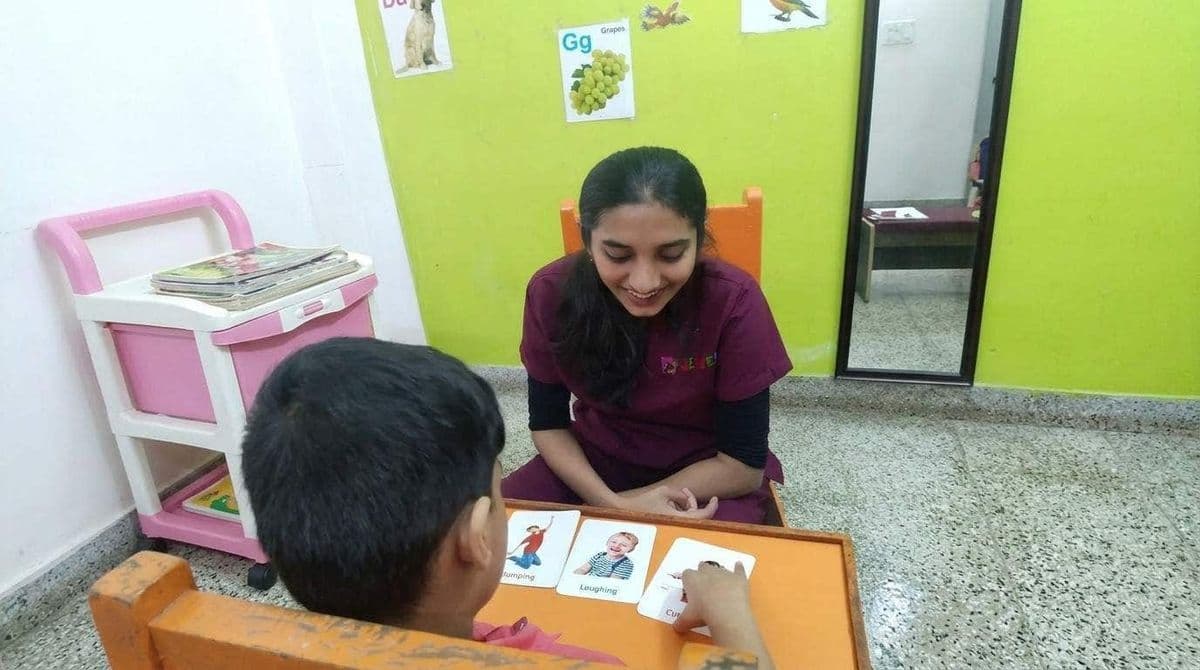
Speech and language development play a major role in a child’s ability to communicate, learn, and build relationships. When children experience delays in speaking, understanding language, or expressing themselves, early intervention can make a significant difference. Paediatric speech and language therapy help identify communication challenges at a young age and provides structured support to improve speech clarity, vocabulary, social communication, and listening skills. Early therapy often leads to better academic performance and stronger confidence in social situations.
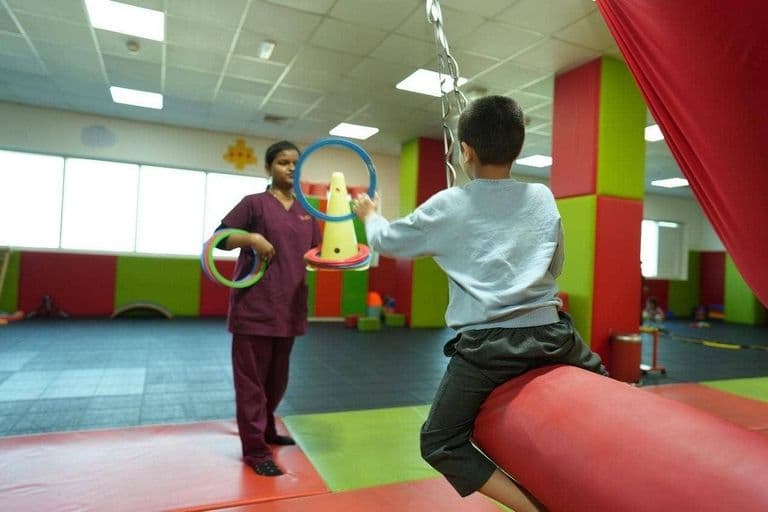
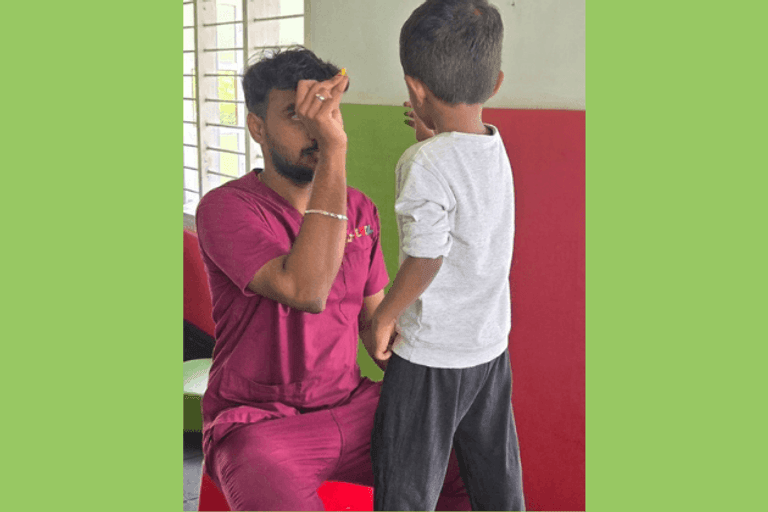
Therapists use child-friendly activities such as play, storytelling, songs, and interactive games to encourage communication skills in a natural and enjoyable way. Each therapy plan is personalised according to the child’s age, developmental level, and specific needs. Children with conditions such as speech delay, autism spectrum disorder, stuttering, hearing impairment, or developmental disorders can benefit greatly from consistent therapy sessions. Parents are also guided on how to support communication development at home through daily routines and positive interaction.
The role of paediatric speech and language therapy extends beyond improving speech alone; it helps children express emotions, participate in classroom activities, and connect with others more effectively. With patience, family involvement, and professional support, many children show remarkable progress over time. Raising awareness about the importance of early communication support can help parents seek timely assistance and ensure children receive the tools they need to thrive in everyday life.