Occupational Therapy in Dubai: The Complete Guide for Parents of Children with Autism and Developmental Delays
Occupational therapy (OT) is one of the most powerful early intervention therapies
By Jewel Centre for Autism ·

Introduction
Occupational therapy (OT) is one of the most powerful early intervention therapies for children with autism spectrum disorder (ASD), sensory processing disorders, developmental delays, ADHD, and learning difficulties. In Dubai, where awareness about child development is growing rapidly, parents are increasingly searching for specialized occupational therapy services that can support their child’s independence, motor skills, sensory regulation, and daily life abilities.
At Jewel Autism Centre Dubai, occupational therapy is designed to empower children to develop the functional skills necessary for everyday life — from self-care and motor coordination to sensory processing and social participation.
Occupational therapy focuses on helping children perform meaningful daily activities such as dressing, feeding, writing, playing, and interacting with others. Research shows that occupational therapy interventions can significantly improve sensory processing, motor coordination, and communication abilities in children with autism.
This guide will help parents understand:
- What occupational therapy is
- How OT helps children with autism
- Signs your child may need occupational therapy
- Techniques used in therapy
- Why early intervention matters
What is Occupational Therapy?
Occupational therapy is a healthcare discipline that helps individuals develop, recover, or improve the skills required for daily living and meaningful activities.
For children, this includes skills such as:
- Fine motor skills (writing, drawing, buttoning clothes)
- Gross motor skills (running, climbing, balance)
- Sensory processing
- Emotional regulation
- Self-care tasks
- Social participation
Occupational therapists assess the child’s developmental needs and create individualized therapy programs tailored to their challenges and strengths.
The goal is not just therapy sessions — it is functional independence in daily life.
Why Occupational Therapy is Important for Children with Autism
Children with autism often experience challenges in sensory processing, motor coordination, and everyday routines. Occupational therapy helps address these difficulties through structured activities and play-based interventions.
Sensory Processing Support
Many children with autism experience hypersensitivity or hyposensitivity to sensory stimuli such as sound, touch, or movement.
Occupational therapy uses sensory integration techniques to help the brain process sensory information more effectively. 
Examples include:
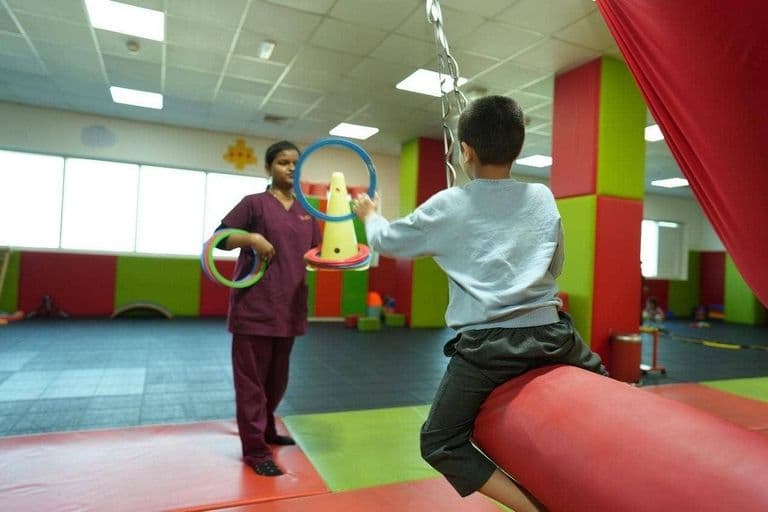
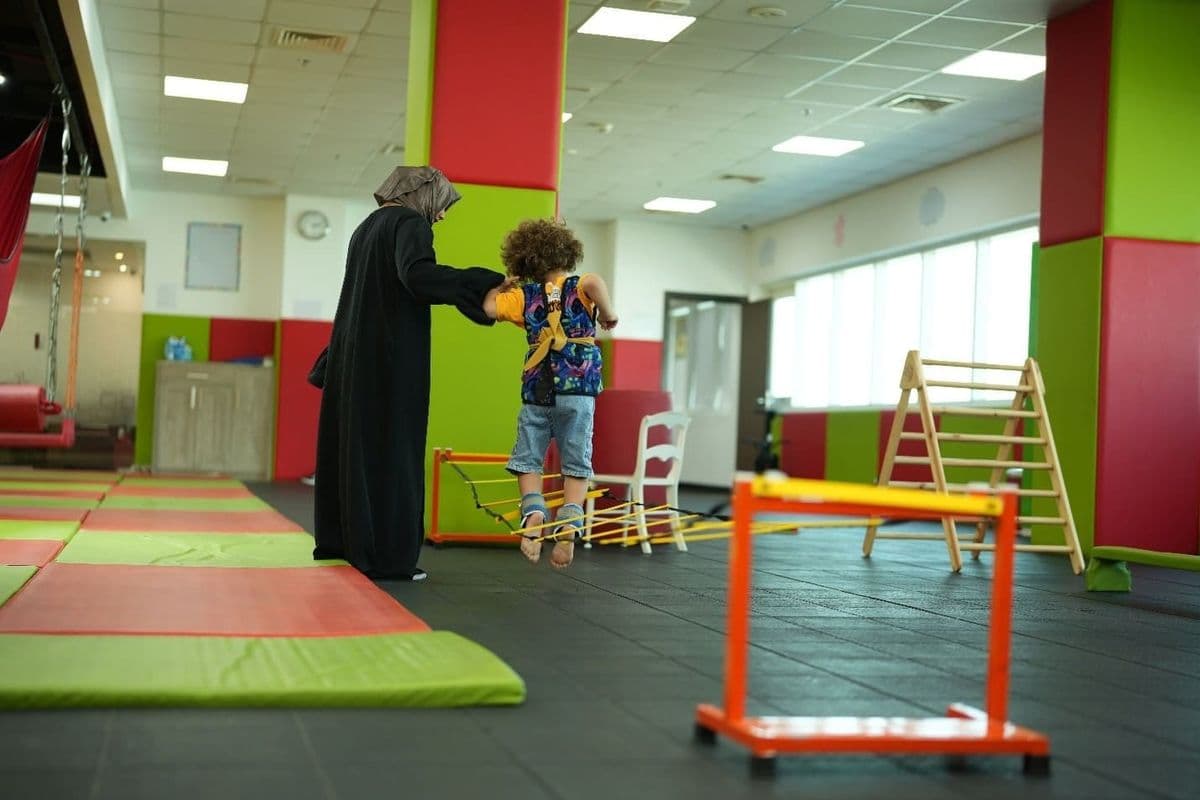
- Swinging activities
- Deep pressure therapy
- Balance exercises
- Tactile play
These techniques help children regulate their sensory responses and improve attention and emotional control.
Development of Motor Skills
Motor skill development is essential for academic success and independence.
Occupational therapy focuses on:
- Hand-eye coordination
- Pencil grip
- Cutting skills
- Balance and posture
- Coordination
Studies show sensory integration therapy significantly improves fine and gross motor skills in children with autism. 
Daily Living Skills
Children with developmental delays often struggle with daily routines such as brushing teeth, dressing, or feeding themselves.
Occupational therapists teach these skills step-by-step.
Examples include:
- Dressing independently
- Using utensils
- Toileting routines
- Personal hygiene
These interventions increase independence and self-confidence. 
Signs Your Child May Need Occupational Therapy
Parents often wonder whether their child requires occupational therapy. Some early signs include:
Sensory Signs
- Overreaction to loud sounds
- Avoiding certain textures
- Difficulty with bright lights
- Craving movement or spinning
Motor Skill Signs
- Poor handwriting
- Difficulty holding a pencil
- Frequent falls
- Poor coordination
Daily Living Challenges
- Difficulty dressing
- Problems with feeding
- Trouble brushing teeth
- Difficulty with routines
Behavioral Signs
- Frequent meltdowns
- Poor attention span
- Difficulty transitioning between tasks
If parents notice these signs, an occupational therapy assessment is recommended.
- Key Occupational Therapy Techniques
- Sensory Integration Therapy
Sensory integration therapy is one of the most widely used approaches in pediatric occupational therapy.
It involves play-based activities that help the brain organize sensory input more effectively. 
Examples include:
- Swing therapy
- Obstacle courses
- Deep pressure activities
- Vestibular stimulation
Fine Motor Skill Training
Fine motor activities include:
- Bead threading
- Puzzle solving
- Cutting exercises
- Hand strengthening activities
These activities prepare children for school tasks like writing and drawing.
Emotional Regulation Strategies
Occupational therapists also teach children strategies to regulate emotions and behavior.
Examples include:
- Breathing exercises
- Calm-down routines
- Structured schedules
- Visual supports
These strategies help children manage frustration and anxiety.
Why Early Intervention is Critical
Early therapy significantly improves developmental outcomes.
Research indicates that early intervention programs can lead to measurable improvements in communication, motor skills, and social participation. 
The earlier therapy begins, the greater the brain’s ability to adapt and develop new neural pathways.
Occupational Therapy at Jewel Autism Centre Dubai
At Jewel Autism Centre Dubai, occupational therapy programs are individualized and evidence-based.
Therapy programs focus on:
- Sensory integration
- Motor development
- Daily living skills
- School readiness
- Social participation
The centre provides comprehensive assessment and personalized therapy plans designed to maximize each child’s potential.
Benefits of Occupational Therapy
Children who receive occupational therapy often experience:
- Improved motor coordination
- Better attention span
- Reduced sensory difficulties
- Increased independence
- Improved social interaction
- Better school readiness
Occupational therapy empowers children to participate fully in their environment and daily life.
How Parents Can Support Therapy at Home
Parents play a crucial role in reinforcing therapy goals.
Helpful strategies include:
- Creating structured routines
- Encouraging sensory play
- Practicing daily living skills
- Providing positive reinforcement
Consistency between home and therapy sessions accelerates progress.
Conclusion
Occupational therapy is one of the most impactful therapies for children with autism and developmental challenges. By focusing on sensory processing, motor skills, and daily living abilities, occupational therapy enables children to become more independent, confident, and engaged with the world around them.
For families in Dubai seeking specialized occupational therapy services, early assessment and intervention can transform a child’s developmental journey.
At Jewel Autism Centre Dubai, the mission is simple:
unlock every child’s potential and support families through expert care and compassionate therapy.