Pediatric Occupational Therapy in Dubai: Building Strong Foundations for Child Development
Pediatric occupational therapy plays an essential role in supporting children’s development by helping them
By Jewel Centre for Autism ·
Introduction
Pediatric occupational therapy plays an essential role in supporting children’s development by helping them build the physical, cognitive, and emotional skills needed for everyday life. These skills allow children to participate independently in activities such as learning in school, playing with peers, completing daily routines, and interacting with their environment.
Some children experience challenges in areas such as motor coordination, sensory processing, attention, or daily living skills. These difficulties may affect their confidence, school performance, and ability to participate in everyday activities.
In Dubai, pediatric occupational therapy has become an important part of early intervention services for children with developmental challenges including autism spectrum disorder, ADHD, sensory processing difficulties, and developmental delays.
At Jewel Autism Centre Dubai, occupational therapy programs are designed to support children in developing essential life skills while building independence and confidence.
Understanding Pediatric Occupational Therapy
Pediatric occupational therapy focuses on helping children develop the skills needed to perform everyday tasks and participate fully in their environments.
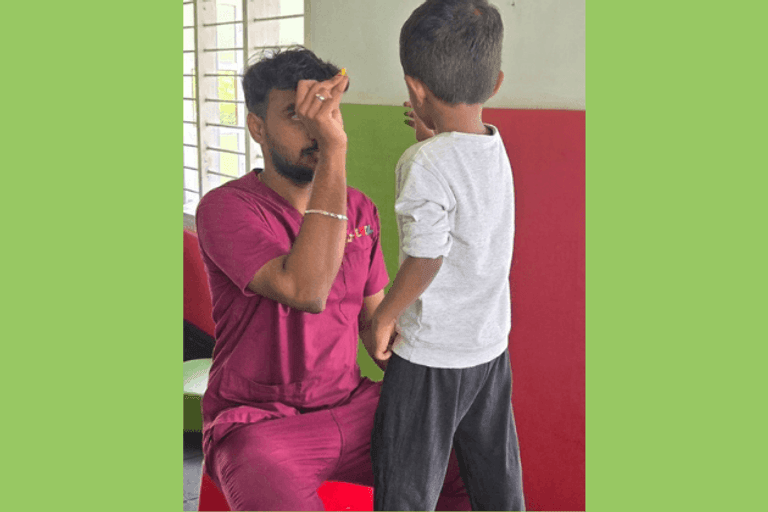
Occupational therapists assess each child’s developmental abilities and identify areas where additional support may be needed. Based on the assessment results, therapists design individualized therapy programs that target specific developmental goals.
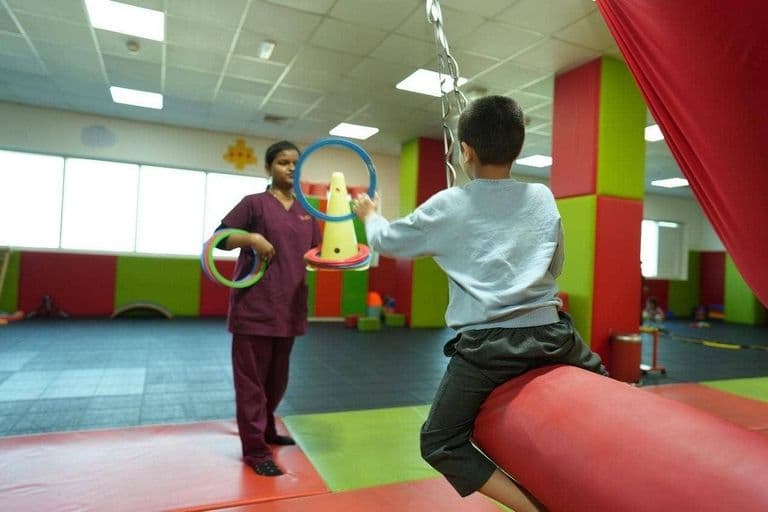
Therapy sessions often use structured play-based activities that help children practice skills while remaining engaged and motivated.
Children who may benefit from occupational therapy include those experiencing:
• Autism spectrum disorder
• Sensory processing challenges
• Developmental delays
• Motor coordination difficulties
• ADHD
• Learning difficulties
Fine Motor Development
essential for tasks such as writing, drawing, cutting with scissors, and manipulating small objects.
Children with fine motor delays may experience difficulty with:
•Holding pencils or crayons correctly
•Completing craft activities
•Writing legibly
•Buttoning clothing
•Using utensils
Occupational therapy helps strengthen hand muscles and improve coordination through activities such as puzzles, bead threading, drawing exercises, and clay modeling.
Developing strong fine motor skills helps children perform classroom tasks more effectively and build independence in daily activities.
Gross Motor Development
Gross motor skills involve larger muscle groups that support whole-body movements.
Examples of gross motor activities include:
•Running
•Jumping
•Climbing
•Balancing
•Throwing and catching balls
Children with gross motor delays may appear clumsy, struggle with physical activities, or have difficulty maintaining balance.
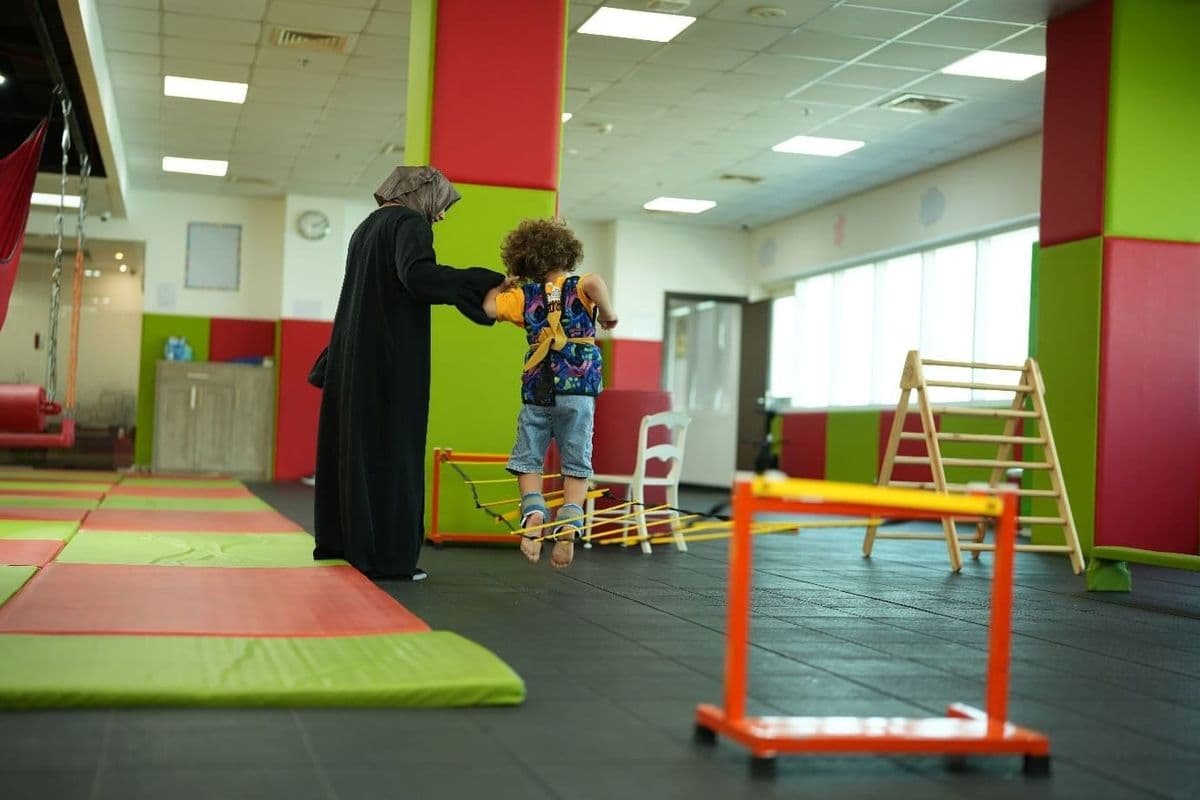
Occupational therapists design activities that improve strength, balance, and coordination through movement-based exercises and play activities.
Sensory Regulation
Sensory regulation refers to a child’s ability to respond appropriately to sensory input from the environment.
Some children may be overly sensitive to sensory experiences, while others may seek intense sensory stimulation.
Examples of sensory challenges include:
•Sensitivity to loud noises
•Discomfort with certain clothing textures
•Difficulty tolerating crowded environments
•Frequent movement seeking
Occupational therapy includes sensory-based strategies that help children regulate sensory input and remain calm and focused during activities.
School Readiness Skills
Occupational therapy also supports the development of school readiness skills that help children succeed in classroom environments.
These skills include:
•Proper sitting posture
•Pencil grip and handwriting
•Attention and concentration
•Following instructions
•Completing tasks independently
Therapists design structured activities that help children develop these important academic and behavioral skills.
Benefits of Pediatric Occupational Therapy
Children who receive occupational therapy often experience improvements in multiple areas of development.
Benefits may include:
•Improved motor coordination
•Better handwriting and fine motor skills
•Increased independence in daily tasks
•Improved attention and focus
•Better emotional regulation
•Increased confidence in social interactions
Occupational Therapy at Jewel Autism Centre Dubai
At Jewel Autism Centre Dubai, occupational therapy programs focus on individualized intervention plans that support each child’s unique developmental needs.
Therapy services include:
•Motor skill development
•Sensory integration activities
•School readiness training
•Daily living skill development
•Emotional regulation strategies
Therapists also work closely with parents to ensure that therapy strategies are reinforced at home.
Conclusion
Pediatric occupational therapy provides valuable support for children who experience developmental challenges. By strengthening motor skills, improving sensory regulation, and building independence in daily activities, occupational therapy helps children participate confidently in their environments.
Early therapy intervention can make a significant difference in a child’s developmental journey.